Search This Blog

Showing posts with label Relationship. Show all posts

The Romantic Myth: Unraveling the Illusions of Love in Modern Society


Introduction

The romantic myth has been a cornerstone of literature, movies, and popular culture for centuries, shaping our perceptions of love and relationships. This deeply ingrained belief posits that there exists an ideal partner who can satisfy all our emotional needs and desires, ultimately leading to a blissful, everlasting union. However, the romantic myth can create unrealistic expectations that often lead to disappointment and disillusionment in real-life relationships. This article delves into the origins and consequences of the romantic myth and explores how we can cultivate a more balanced, realistic understanding of love in the modern world.


Origins of the Romantic Myth

The concept of romantic love as we know it today has its roots in the medieval period, with the emergence of courtly love and the tradition of chivalry. Romantic love was further popularized during the Romantic era of the late 18th and early 19th centuries, as poets, writers, and artists began to extol the virtues of intense, passionate emotion.

These ideas have been perpetuated in various forms of popular culture, from fairy tales and classic literature to Hollywood films and romantic comedies. The ubiquity of these narratives has created a cultural norm, in which romantic love is idealized and held up as the ultimate goal of human relationships.

Consequences of the Romantic Myth

The romantic myth can have several detrimental effects on our emotional well-being and the quality of our relationships:

Unrealistic expectations: The belief in a perfect partner who can fulfill all our needs often sets us up for disappointment when we discover that real-life relationships are far more complex and nuanced. This can lead to feelings of dissatisfaction and a constant search for the elusive "perfect" partner.

Overemphasis on passion: The romantic myth places a disproportionate emphasis on the initial stages of love, characterized by infatuation and passion. This focus on intense emotion can overshadow the importance of compatibility, communication, and the willingness to grow and change together over time.

Reluctance to work on relationships: The idea that love should be effortless and enduring can make us reluctant to put in the necessary work to maintain and strengthen our relationships. This can result in a lack of emotional growth and a cycle of repeated breakups and short-lived romances.

Cultivating a Realistic View of Love

To counteract the negative effects of the romantic myth, it is essential to develop a more balanced, realistic understanding of love and relationships. This can be achieved by:

Recognizing that no partner is perfect: Accepting that all individuals have their flaws and imperfections can help us approach relationships with a greater sense of compassion and empathy, fostering deeper connections and long-lasting bonds.

Emphasizing the importance of communication: Open and honest communication is the cornerstone of any successful relationship. By prioritizing effective communication, we can better understand and meet each other's needs and desires, ultimately leading to greater satisfaction and harmony.

Treating love as a skill: Rather than viewing love as an uncontrollable emotion, we can see it as a skill that can be cultivated and improved over time. This approach encourages personal growth and emotional maturity, both individually and as a couple. 

Conclusion

The romantic myth, though deeply ingrained in our culture, can have significant consequences for our emotional well-being and the quality of our relationships. By recognizing the illusions perpetuated by this myth and cultivating a more realistic understanding of love, we can develop healthier, more satisfying relationships that are grounded in genuine connection and mutual growth.
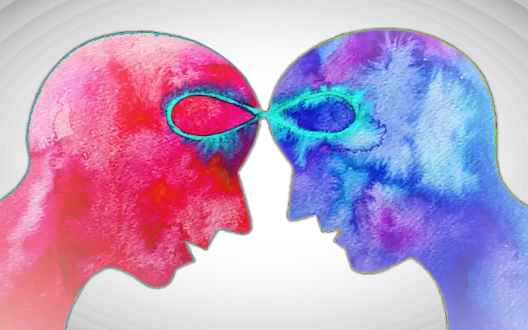

The Unspoken Connection: Translating the Language of the Soul

Introduction

The quote, "I hope you find someone who speaks your soul language so that you don't have to spend your whole life translating your soul," encapsulates the profound human yearning for a deep, unspoken connection with another person. At its core, this quote speaks to the philosophical and psychological complexities of human relationships, highlighting the innate human desire for understanding and the quest for a shared soul language.


Philosophical Perspective

From a philosophical standpoint, this quote delves into the fundamental existential questions of human existence and connection. Philosophers such as Martin Buber have explored the concept of "I-Thou" relationships, emphasizing the significance of engaging with others on a deeply authentic level. In such relationships, individuals are not mere objects, but unique souls with their own inner worlds.

The hope expressed in the quote is that by finding someone who speaks your soul language, you can transcend the limitations of superficial interactions and engage in meaningful "I-Thou" relationships. In these relationships, there is no need for translation because both individuals can fully understand and resonate with each other's inner experiences. Imagine two individuals who have a deep connection where they can openly discuss their fears, dreams, and vulnerabilities without fear of judgment. In this relationship, they don't need to translate their feelings or thoughts because they inherently understand each other's soul language

Existentialist philosophers like Jean-Paul Sartre also emphasize the idea of "authenticity" in relationships. To live authentically is to be true to oneself, and finding someone who speaks your soul language facilitates this authenticity. It allows individuals to be fully themselves, without the need for masks or pretense, as they connect with someone who truly understands and accepts them. Consider a person who has always felt pressured to conform to societal norms and expectations. When they meet someone who fully accepts them for who they are, they can finally shed their facade and live authentically, without pretense or translation.

Psychological Perspective

From a psychological perspective, this quote touches upon the concept of psychological resonance and emotional attunement. Psychologist Carl Rogers, known for his person-centered therapy, emphasized the importance of empathy and congruence in therapy relationships. When a therapist "speaks the client's soul language," they create a safe and empathetic space where clients can explore their inner thoughts and feelings without judgment.

In personal relationships, such as friendships or romantic partnerships, finding someone who speaks your soul language means encountering a person who can attune to your emotional needs. This attunement fosters a sense of emotional security, allowing individuals to be vulnerable and authentic with one another.

Attachment theory, developed by John Bowlby and Mary Ainsworth, also sheds light on the importance of finding someone who understands your soul language. Secure attachment bonds are formed when caregivers consistently respond to an infant's emotional cues. Similarly, in adult relationships, individuals seek partners who can provide emotional responsiveness and support. When this connection is established, individuals do not need to translate their emotional needs but can experience a sense of security and comfort.

Conclusion

The quote, "I hope you find someone who speaks your soul language so that you don't have to spend your whole life translating your soul," resonates with the profound human desire for genuine connection and understanding. Philosophically, it aligns with the existentialist pursuit of authenticity in relationships, emphasizing the importance of deep, meaningful connections. Psychologically, it echoes the significance of empathy, emotional attunement, and secure attachments in fostering such connections.

The quote encapsulates the universal yearning for deep, authentic connections. It refers to individuals who possess qualities like empathy, authenticity, and exceptional communication skills. These individuals create profound bonds where emotions and thoughts flow effortlessly, eliminating the need for constant translation of inner experiences. They are empathetic, non-judgmental, and patient, allowing others to be themselves without fear. Whether in romantic partnerships, friendships, or therapeutic relationships, finding someone who speaks your soul language is about fostering genuine, meaningful connections where understanding transcends words, nurturing the essence of the soul.