Search This Blog

Showing posts with label Psychology. Show all posts

The Journey Within: Five Steps to Beginning Your Therapeutic Process

Introduction

In the vast expanse of human psychology, one undeniable truth prevails: no one is entirely sane. The path to maturity is a winding road filled with complexities, and understanding that is key to embracing our individual therapeutic journeys. Alain De Botton suggests that everyone carries a touch of madness, hinting at the non-linear journey of self-discovery and personal growth. Here are five ways to embark on your therapeutic journey, embracing both your history and present self.


Understanding the Role of Childhood

It's widely acknowledged that the foundation of our adult personalities is significantly shaped by our childhood experiences. Our early years, especially the first decade of life, play a pivotal role in influencing our future selves. These formative years can script our emotional responses, relationship dynamics, and self-perception. Delving into the nuances of one's childhood, understanding the impact of parental influence, and the circumstances that shaped you can be both revealing and therapeutic.

Consider "Anna," who grew up in a household where emotional expression was discouraged. As an adult, she struggles to connect with her feelings and often appears stoic in times of distress. Through therapy, Anna identifies this pattern and realizes that her emotional unavailability is a learned behavior from her childhood, not her inherent nature.

Embracing Your True Self Versus Your False Self

Our true self is the core of our desires and feelings, often obscured by societal expectations, which give rise to the 'false self.' This facade is essential for social harmony but can suffocate the true self if over-imposed. A delicate balance must be struck between expressing genuine emotions and conforming to societal norms. Identifying moments when our true self is compromised can be a stepping stone to personal authenticity.

"Laura" was known among her friends as the go-to problem solver, always ready with advice and support. Yet, she seldom shared her own struggles and preferred to keep her vulnerabilities hidden. Over time, she realized that her "false self" was the competent, ever-reliable friend, while her "true self" longed for a space where she could be the one asking for help and support. Acknowledging this need allowed her to open up to her friends, deepening her connections and creating a two-way street of support and vulnerability.

The Significance of Sentence Completion Exercises

Sentence completion exercises can serve as powerful tools to uncover subconscious thoughts and feelings. By completing prompts like "My father was...", "My mother made me feel...", or "I am...", one can unearth deep-seated beliefs and perspectives that might otherwise remain unexamined. This exercise can potentially expedite the journey of self-awareness and reduce the need for extensive therapy.

When "Michael" completed the sentence, “In my family, I felt…” with “...like I could never do enough,” he uncovered a deep-seated belief that he was inadequate, a feeling that had been influencing his work ethic and self-esteem without his conscious awareness.

Listening to Your Body's Wisdom

The mind and body are intricately connected, and often, psychological tensions manifest as physical symptoms. It's crucial to recognize when our bodies are speaking for unacknowledged emotions. By tuning into our physical sensations and considering what our discomforts might be trying to communicate, we can begin to address buried issues.

"Sophia" consistently experienced stomach aches before her weekly meetings. Through mindfulness, she discovered that these were not random occurrences but her body’s response to the anxiety she felt about speaking in public, a realization that led her to seek help for her anxiety.

The Therapeutic Power of Self-Reflection

Daily self-reflection is a simple yet profound practice that allows us to sift through our experiences and emotions. Taking time to sit with our feelings and asking "What's coming up for me?" can lead to astonishing self-discoveries and facilitate a deeper connection with our internal world.

"Liam" dedicated 10 minutes each night to reflect on his day. This practice led him to recognize a pattern of avoidance in confrontational situations, a behavior that hindered his growth at work and in personal relationships.

The Journey with Therapy

Psychotherapy is not a one-size-fits-all solution; it's a personal journey that requires finding a therapist who resonates with you. The therapeutic relationship aims to shed light on areas of yourself that you may struggle to face alone. A good therapist helps you navigate through your past and present, enabling you to achieve a clearer understanding of yourself and paving the way for potential healing and growth.

Conclusion

Mental health is a spectrum, and like physical health, it fluctuates. There is no permanent state of complete mental well-being, just as the sky is seldom without clouds. Accepting that challenges may recur is a realistic and healthy outlook. Embracing discomfort and confronting awkward realities are crucial steps in a therapeutic journey. The willingness to explore even the uncomfortable parts of ourselves marks the beginning of a truly transformative process. In this exploration, we not only become more resilient but also more compassionate towards the intricacies of our human experience.

Further Reading

For those who wish to delve deeper into this journey, Alain De Botton's book, "A Therapeutic Journey," offers a comprehensive guide, providing readers with practical steps and insights to navigate the complex path of personal therapy.

The Romantic Myth: Unraveling the Illusions of Love in Modern Society


Introduction

The romantic myth has been a cornerstone of literature, movies, and popular culture for centuries, shaping our perceptions of love and relationships. This deeply ingrained belief posits that there exists an ideal partner who can satisfy all our emotional needs and desires, ultimately leading to a blissful, everlasting union. However, the romantic myth can create unrealistic expectations that often lead to disappointment and disillusionment in real-life relationships. This article delves into the origins and consequences of the romantic myth and explores how we can cultivate a more balanced, realistic understanding of love in the modern world.


Origins of the Romantic Myth

The concept of romantic love as we know it today has its roots in the medieval period, with the emergence of courtly love and the tradition of chivalry. Romantic love was further popularized during the Romantic era of the late 18th and early 19th centuries, as poets, writers, and artists began to extol the virtues of intense, passionate emotion.

These ideas have been perpetuated in various forms of popular culture, from fairy tales and classic literature to Hollywood films and romantic comedies. The ubiquity of these narratives has created a cultural norm, in which romantic love is idealized and held up as the ultimate goal of human relationships.

Consequences of the Romantic Myth

The romantic myth can have several detrimental effects on our emotional well-being and the quality of our relationships:

Unrealistic expectations: The belief in a perfect partner who can fulfill all our needs often sets us up for disappointment when we discover that real-life relationships are far more complex and nuanced. This can lead to feelings of dissatisfaction and a constant search for the elusive "perfect" partner.

Overemphasis on passion: The romantic myth places a disproportionate emphasis on the initial stages of love, characterized by infatuation and passion. This focus on intense emotion can overshadow the importance of compatibility, communication, and the willingness to grow and change together over time.

Reluctance to work on relationships: The idea that love should be effortless and enduring can make us reluctant to put in the necessary work to maintain and strengthen our relationships. This can result in a lack of emotional growth and a cycle of repeated breakups and short-lived romances.

Cultivating a Realistic View of Love

To counteract the negative effects of the romantic myth, it is essential to develop a more balanced, realistic understanding of love and relationships. This can be achieved by:

Recognizing that no partner is perfect: Accepting that all individuals have their flaws and imperfections can help us approach relationships with a greater sense of compassion and empathy, fostering deeper connections and long-lasting bonds.

Emphasizing the importance of communication: Open and honest communication is the cornerstone of any successful relationship. By prioritizing effective communication, we can better understand and meet each other's needs and desires, ultimately leading to greater satisfaction and harmony.

Treating love as a skill: Rather than viewing love as an uncontrollable emotion, we can see it as a skill that can be cultivated and improved over time. This approach encourages personal growth and emotional maturity, both individually and as a couple. 

Conclusion

The romantic myth, though deeply ingrained in our culture, can have significant consequences for our emotional well-being and the quality of our relationships. By recognizing the illusions perpetuated by this myth and cultivating a more realistic understanding of love, we can develop healthier, more satisfying relationships that are grounded in genuine connection and mutual growth.


The Unspoken Connection: Translating the Language of the Soul

Introduction

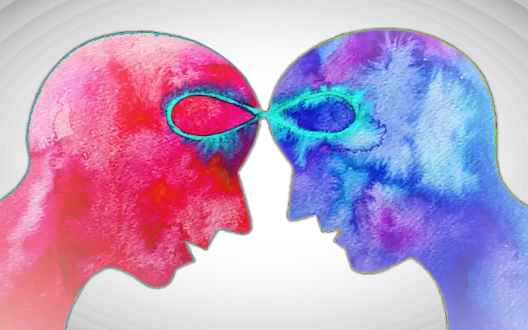
The quote, "I hope you find someone who speaks your soul language so that you don't have to spend your whole life translating your soul," encapsulates the profound human yearning for a deep, unspoken connection with another person. At its core, this quote speaks to the philosophical and psychological complexities of human relationships, highlighting the innate human desire for understanding and the quest for a shared soul language.


Philosophical Perspective

From a philosophical standpoint, this quote delves into the fundamental existential questions of human existence and connection. Philosophers such as Martin Buber have explored the concept of "I-Thou" relationships, emphasizing the significance of engaging with others on a deeply authentic level. In such relationships, individuals are not mere objects, but unique souls with their own inner worlds.

The hope expressed in the quote is that by finding someone who speaks your soul language, you can transcend the limitations of superficial interactions and engage in meaningful "I-Thou" relationships. In these relationships, there is no need for translation because both individuals can fully understand and resonate with each other's inner experiences. Imagine two individuals who have a deep connection where they can openly discuss their fears, dreams, and vulnerabilities without fear of judgment. In this relationship, they don't need to translate their feelings or thoughts because they inherently understand each other's soul language

Existentialist philosophers like Jean-Paul Sartre also emphasize the idea of "authenticity" in relationships. To live authentically is to be true to oneself, and finding someone who speaks your soul language facilitates this authenticity. It allows individuals to be fully themselves, without the need for masks or pretense, as they connect with someone who truly understands and accepts them. Consider a person who has always felt pressured to conform to societal norms and expectations. When they meet someone who fully accepts them for who they are, they can finally shed their facade and live authentically, without pretense or translation.

Psychological Perspective

From a psychological perspective, this quote touches upon the concept of psychological resonance and emotional attunement. Psychologist Carl Rogers, known for his person-centered therapy, emphasized the importance of empathy and congruence in therapy relationships. When a therapist "speaks the client's soul language," they create a safe and empathetic space where clients can explore their inner thoughts and feelings without judgment.

In personal relationships, such as friendships or romantic partnerships, finding someone who speaks your soul language means encountering a person who can attune to your emotional needs. This attunement fosters a sense of emotional security, allowing individuals to be vulnerable and authentic with one another.

Attachment theory, developed by John Bowlby and Mary Ainsworth, also sheds light on the importance of finding someone who understands your soul language. Secure attachment bonds are formed when caregivers consistently respond to an infant's emotional cues. Similarly, in adult relationships, individuals seek partners who can provide emotional responsiveness and support. When this connection is established, individuals do not need to translate their emotional needs but can experience a sense of security and comfort.

Conclusion

The quote, "I hope you find someone who speaks your soul language so that you don't have to spend your whole life translating your soul," resonates with the profound human desire for genuine connection and understanding. Philosophically, it aligns with the existentialist pursuit of authenticity in relationships, emphasizing the importance of deep, meaningful connections. Psychologically, it echoes the significance of empathy, emotional attunement, and secure attachments in fostering such connections.

The quote encapsulates the universal yearning for deep, authentic connections. It refers to individuals who possess qualities like empathy, authenticity, and exceptional communication skills. These individuals create profound bonds where emotions and thoughts flow effortlessly, eliminating the need for constant translation of inner experiences. They are empathetic, non-judgmental, and patient, allowing others to be themselves without fear. Whether in romantic partnerships, friendships, or therapeutic relationships, finding someone who speaks your soul language is about fostering genuine, meaningful connections where understanding transcends words, nurturing the essence of the soul.

From the Horn of Africa to the Heart of Anatolia: A Personal Glimpse into Turkey's Economic Dance

As the sun rises over the Bosporus, painting Istanbul's skyline with hues of gold and orange, I'm reminded of a different sunrise - one from my homeland, Ethiopia. Since moving here in 2014, Turkey's mesmerizing blend of cultures and its vibrant spirit captivated me. But alongside its beauty, I've also witnessed the nation grapple with economic uncertainties.

Being a foreigner provides a unique perspective. My Ethiopian heritage makes me no stranger to economic challenges, yet every country's dance with adversity is distinct.


Future Perspectives Amidst Chaos

Economic turbulence universally impacts the human psyche. According to a study in the Journal of Economic Psychology, financial instabilities can lead to heightened stress, influencing decision-making processes. People begin to opt for immediate rewards over long-term benefits, a phenomenon termed 'future discounting'.

Leyla, an Ankara-based school teacher, reflects this sentiment, "For us, it's not just about the immediate challenges. It's about weaving dreams for the next generation." Her words echo findings from the University of Oxford that suggest individuals in fluctuating economies are more likely to prioritize short-term well-being over long-term planning.


The Comfort in Routines and Traditions

Ahmet, a software developer from Izmir, introduced me to a Harvard study on the brain's dopamine release during familiar routines. "In uncertain times," he elucidates, "seeking comfort in the known – like my morning tea ritual – can be a brain's coping mechanism."

And it's not just individual routines; collective traditions play a role too. During my time here, I've seen how community bonding, reminiscent of Ethiopian traditions, fortifies resilience. Stanford University research supports this, indicating strong community ties can be protective during economic adversities.


Drawing Parallels, Seeking Wisdom

Economic challenges, whether in Addis Ababa or Ankara, often amplify societal ties. A global study in the Journal of Socio-Economics suggests that countries experiencing economic shifts witness a resurgence in traditional values and communal activities.

Dilara, a therapist in Istanbul, believes this resurgence has therapeutic roots. "Humans, by nature, gravitate towards familiarity in times of stress. It's our brain's way of seeking anchorage."


Conclusion: Through Ethiopian Eyes in Turkish Times

As the Bosporus witnesses another sunset, I see a tale of two countries: my Ethiopian roots and my Turkish residence. Both nations, with their shared spirit of resilience and community, dance gracefully amidst economic storms. It's a testament to human adaptability, hope, and an undying zest for life, a story backed by both heartfelt experiences and scientific insights. 

Understanding Hyper-Empathy and Social Anxiety in Decision Making

In the vast world of psychological phenomena, the interplay between empathy and anxiety plays a crucial role in our social interactions and decision-making processes. This interplay often unfolds in everyday scenarios, such as choosing a restaurant or a movie, highlighting an individual's concern for the feelings and preferences of others, sometimes at the expense of their own desires.


The Phenomenon of Hyper-Empathy

Hyper-empathy is a heightened sensitivity to the emotions and needs of others. Individuals experiencing hyper-empathy often find themselves prioritizing others’ feelings over their own. This heightened emotional attunement drives them to ensure the happiness and comfort of those around them, as this in turn, enhances their own emotional well-being. It's a selfless trait, rooted in a deep concern for the emotional harmony of all parties involved in a situation.

The Role of Social Anxiety

Social anxiety, a related concept, adds another layer to this psychological landscape. It encompasses the fears and anxieties one might feel about ensuring others’ comfort and happiness. The worry about others' perceptions and feelings can overshadow personal preferences, leading individuals to sidestep their desires in favor of choices they believe will satisfy others.

A Real-World Scenario

Consider a scenario where an individual insists on letting others make choices, such as selecting a restaurant or a movie, over their own preferences. They prioritize others’ comfort and happiness, genuinely believing that their enjoyment is intertwined with others’ satisfaction. Their decision-making is fueled by a desire to create a pleasant experience for others, coupled with a fear of disappointment or discomfort that might arise from their choices.

The Impact on Relationships

While this approach may seem altruistic and considerate, it bears the risk of neglecting one's own needs and desires. It's essential for individuals to find a balance, ensuring both their happiness and the happiness of others. Continuously sidelining personal preferences can lead to feelings of burnout, resentment, and a lack of fulfillment in social interactions and relationships.

Striking a Balance

Striking a balance is crucial. It's vital for individuals to recognize their tendency towards hyper-empathy and social anxiety in decision-making scenarios. Acknowledgment is the first step towards finding a middle ground where both parties’ preferences are considered, leading to mutually enjoyable experiences and a healthy interpersonal dynamic.

In conclusion, understanding and addressing the influences of hyper-empathy and social anxiety on decision-making processes is essential for fostering healthy, balanced, and mutually satisfying relationships and interactions. It allows individuals to honor their preferences while also valuing and considering the desires and emotions of others, creating a harmonious and enjoyable social experience for everyone involved.