Search This Blog

Showing posts with label Türkiye. Show all posts

Skimpflation: The Hidden Inflation in Today's Economy

In the complex tapestry of modern economics, a new term, "skimpflation," has woven itself into the lexicon, offering a nuanced view of how inflation can manifest in less obvious ways. This concept merges the idea of skimping - reducing quality or quantity - with traditional inflation, leading to a scenario where consumers pay the same price for less value.


Skimpflation often eludes easy detection in standard economic measurements. It differs from classic inflation, which is marked by clear price hikes. Instead, skimpflation is more covert, manifesting in smaller product sizes, a decline in service quality, or a diminished overall customer experience, all without a corresponding decrease in price. This phenomenon is particularly notable in sectors where service quality is crucial, like hospitality, retail, and air travel.

The roots of skimpflation can be traced to a variety of economic pressures. These include downturns in the economy, increased operational costs, and disruptions in supply chains. Faced with such challenges, many businesses, especially in the service sector, find themselves at a crossroads: to increase prices and risk losing customers or to maintain prices but compromise on the quality or quantity of their offerings. The latter option often leads to skimpflation.

The impact of skimpflation extends to both consumers and the broader economy. For consumers, it translates into a less satisfying experience: reduced amenities in hotels, longer waiting times for services, or smaller meal portions at the same price. From an economic perspective, skimpflation presents a unique challenge. It is difficult to measure and address, as it doesn't appear in conventional inflation indicators.

In conclusion, skimpflation is a hidden yet significant form of inflation that affects both consumer experiences and economic analysis. Its subtle nature makes it crucial for both consumers and economic policymakers to recognize and understand skimpflation as a distinct economic challenge that requires careful consideration in the realm of economic management and consumer advocacy.


Markus Gisdol: A Detailed Exploration of His Career, Tactics, and Influence

Introduction: Football often celebrates its star players, leaving the critical role of coaches in the shadows. However, Markus Gisdol has carved a niche for himself in football history through his strategic acumen and steadfast resolve. His journey across various clubs illustrates not just his tactical evolution but also his profound passion for the sport.


Early Years and Transition to Coaching: Gisdol was born on August 17, 1969, in Geislingen an der Steige, Germany. Like many of his peers, he started as a player, primarily in the lower leagues. These early years on the field provided him with valuable tactical knowledge, laying a robust groundwork for his future coaching exploits.

Gisdol ventured into coaching in the early 2000s, and it wasn't long before his knack for strategy and guidance became apparent. He initiated his coaching career with youth teams, nurturing young talents and thereby establishing a distinguished reputation.

Coaching Methodology and Ideology: Gisdol's expertise as a coach came into the limelight during his tenure with TSG 1899 Hoffenheim. He joined the club in 2013 at a particularly tough time and was pivotal in steering the team from the brink of Bundesliga relegation to a position of stability within the league.

Defined by versatility and adaptiveness, Gisdol's coaching style doesn't rely on a static formation or strategy. Instead, he strategically tailors his approach, considering his own team's assets and the opposition's vulnerabilities. His tactical agility is evident whether he's fortifying the defense with a dependable 4–2–3–1 setup or employing a 3–5–2 formation for a more fluid offensive play.

His fundamental tactical tenets include assertive pressing, rapid transitions, and leveraging the wings effectively. Gisdol's teams are known for their high-energy play, prioritizing swift ball recovery and exploiting quick counter-attacks to create scoring opportunities. This approach not only unsettles opponents but also significantly enhances scoring probabilities.

Triumphs with Köln: Gisdol's adeptness at adaptation was prominently on display during his spell at 1. FC Köln. After a period of initial struggles, his strategic modifications, particularly the shift to 3–5–2 or 3–4–3 formations, injected fresh vitality into the team. These tactical adjustments resulted in an uptick in both the number of goals and accumulated points, solidifying defense while allowing wingers more operational freedom.

Under Gisdol, players like Elvis Rexhbecaj flourished, with the team showcasing a robust offensive and defensive synergy, which became characteristic of that period. His time at Köln was marked by both high and low points, but Gisdol's impact and his ability to adapt his football ideology were unwavering.

Career Overview and Influence: Although Gisdol's win percentages might not rival some of the luminaries of European football coaching, his influence transcends mere statistics. Having often managed teams grappling with the threat of relegation, his tactical intelligence and capacity to galvanize his squad frequently outshone paper projections.

Conclusion: Markus Gisdol's trajectory in football epitomizes both tactical finesse and adaptability. His journey from nurturing talents in youth leagues to facing the rigors of the Bundesliga reflects his deep comprehension of the sport and his malleable approach to tactics.

His engagement with Samsunspor signifies a need for the assimilation of his football doctrine into a new milieu and an opportunity to imprint his tactical signature while cultivating the team. The Turkish football scene presents nuances distinct from Gisdol's past encounters, offering him a platform to broaden his tactical repertoire and establish himself in a new footballing context.

While it's premature to predict the course of Gisdol's tenure at Yilport Samsunspor, this move marks a fresh chapter in his career. The key lies in how Markus Gisdol navigates this novel challenge and applies his rich football acumen to propel Samsunspor forward.


The Financial Paradox of Turkish Football


The world of football has witnessed astronomical spending in recent years, with clubs vying to acquire top-tier talent in hopes of achieving on-field success. Surprisingly, beyond the vast wealth of the Premier League, Turkish football clubs have emerged as significant players in the transfer market. This essay delves into the financial intricacies of these clubs, focusing on their spending habits, sources of income, and the broader implications for the future.

Unprecedented Spending Amidst Debts

In a surprising twist for a league outside Europe's traditional powerhouses, Turkish clubs have been dominant spenders in the transfer market over the last two years. To put this in perspective, the country's major clubs - Galatasaray, Fenerbahçe, Beşiktaş, and Trabzonspor - were collectively around 1.7 billion EUR in debt in 2021. Despite the massive debt, clubs like Galatasaray continued to spend big. Their wage bill alone for recent signings is estimated at around 50 million EUR, a figure that rivals top clubs in countries with stronger footballing reputations. The spending spree isn't solely restricted to transfer fees. Estimated salaries for significant signings can range in the millions, with additional costs related to bonuses, taxes, and signing-on fees.

The Revenue Channels Fueling the Expenditure

So, what drives this aggressive spending despite a backdrop of financial strain? The answers lie in various revenue channels that the clubs have strategically tapped into. Galatasaray, for instance, secured a lucrative three-year 15 million EUR deal with Azerbaijan state oil company, SOCAR, for their European competition shirt sponsorship. Additionally, they have renewed contracts with car rental company SIXT and engaged in a naming rights agreement for their stadium with construction company Rams Global.

Beyond sponsorships, property deals offer another significant revenue stream. Galatasaray's projected move to a new training facility in Istanbul will pave the way for luxury housing projects on their current base, anticipated to bring in around 455 million EUR.

However, not all revenue channels are growing. The league's broadcast revenue has been dwindling, with a new global broadcast deal valued significantly lower than its predecessor. This dip makes Champions League revenue even more crucial for these clubs.

The Socio-economic Implications and Future Concerns

The financial behavior of Turkish football clubs is also influenced by socio-cultural factors. For instance, the Turkish fan base's love for big names in football has often pressured club management into making high-profile signings. A telling example from 2015 highlighted how Fenerbahçe's signing of Robin Van Persie and Nani bolstered their season ticket sales, outpacing their rival Galatasaray, despite the latter's superior performance that season.

However, what is most alarming is the apparent lack of consequences for these clubs' unsustainable financial behaviors. While these big clubs are listed on the stock exchange, their popularity and social implications effectively render them "too big to fail". Even when clubs reached alarming debt levels, state-owned banks restructured their dues at favorable rates.

Nevertheless, the landscape might be slowly shifting. The Financial Fair Play (FFP) has posed challenges for these clubs, even if previously they were seen as mere inconveniences. Growing concerns from the government and a changing public sentiment against reckless spending, especially when taxpayer money has been used for bailouts, indicate that a change may be on the horizon.

The financial dynamics of Turkish football clubs provide a unique case study in the world of sports economics. Their aggressive spending, fueled by diverse revenue channels and socio-cultural pressures, presents a dichotomy against their vast debts. While they've managed to navigate these treacherous financial waters so far, the future demands a more sustainable approach. The shifting landscapes of public opinion and regulatory restrictions might just be the catalysts for this much-needed change.

From the Horn of Africa to the Heart of Anatolia: A Personal Glimpse into Turkey's Economic Dance

As the sun rises over the Bosporus, painting Istanbul's skyline with hues of gold and orange, I'm reminded of a different sunrise - one from my homeland, Ethiopia. Since moving here in 2014, Turkey's mesmerizing blend of cultures and its vibrant spirit captivated me. But alongside its beauty, I've also witnessed the nation grapple with economic uncertainties.

Being a foreigner provides a unique perspective. My Ethiopian heritage makes me no stranger to economic challenges, yet every country's dance with adversity is distinct.


Future Perspectives Amidst Chaos

Economic turbulence universally impacts the human psyche. According to a study in the Journal of Economic Psychology, financial instabilities can lead to heightened stress, influencing decision-making processes. People begin to opt for immediate rewards over long-term benefits, a phenomenon termed 'future discounting'.

Leyla, an Ankara-based school teacher, reflects this sentiment, "For us, it's not just about the immediate challenges. It's about weaving dreams for the next generation." Her words echo findings from the University of Oxford that suggest individuals in fluctuating economies are more likely to prioritize short-term well-being over long-term planning.


The Comfort in Routines and Traditions

Ahmet, a software developer from Izmir, introduced me to a Harvard study on the brain's dopamine release during familiar routines. "In uncertain times," he elucidates, "seeking comfort in the known – like my morning tea ritual – can be a brain's coping mechanism."

And it's not just individual routines; collective traditions play a role too. During my time here, I've seen how community bonding, reminiscent of Ethiopian traditions, fortifies resilience. Stanford University research supports this, indicating strong community ties can be protective during economic adversities.


Drawing Parallels, Seeking Wisdom

Economic challenges, whether in Addis Ababa or Ankara, often amplify societal ties. A global study in the Journal of Socio-Economics suggests that countries experiencing economic shifts witness a resurgence in traditional values and communal activities.

Dilara, a therapist in Istanbul, believes this resurgence has therapeutic roots. "Humans, by nature, gravitate towards familiarity in times of stress. It's our brain's way of seeking anchorage."


Conclusion: Through Ethiopian Eyes in Turkish Times

As the Bosporus witnesses another sunset, I see a tale of two countries: my Ethiopian roots and my Turkish residence. Both nations, with their shared spirit of resilience and community, dance gracefully amidst economic storms. It's a testament to human adaptability, hope, and an undying zest for life, a story backed by both heartfelt experiences and scientific insights. 

Yılport Samsunspor and Toulouse FC: Charting a New Course in International Football Partnerships


In an unprecedented move, Turkey's Yılport Samsunspor has embarked on a collaborative journey with France's esteemed Ligue 1 football club, Toulouse FC. This unique three-year partnership heralds a new era in football cooperation between Turkey and France, marking a first in Turkish football history.

Shared Goals and Mutual Development

Yılport Samsunspor's Chairman, Yüksel Yıldırım, shed light on the dynamics of this collaboration. Underlining the spirit of mutual growth, he remarked, "Every year, we will send some of our youth players to work alongside the Toulouse FC youth system. This exposure will not only enhance their football skills but will also offer them an opportunity to learn a foreign language and get acclimated to a different culture. In return, Toulouse FC, whenever deemed fit, will loan players they wish to Yılport Samsunspor."

This partnership is not merely confined to player exchanges; it encompasses broader dimensions. Both clubs will synergize their efforts in departments like scouting and analysis, pooling their resources and know-how for the benefit of both.

A Landmark for Turkish Football

Yıldırım expressed his pride in being a part of a groundbreaking initiative between Turkey and France. "We genuinely believe that this partnership will bring immense benefits to both Yılport Samsunspor and Toulouse FC. I hope it proves fruitful for both the clubs," he added. He conveyed his gratitude to Toulouse FC's President, Damien Comolli, and their Sports Strategy Head, Selinay Gürgenç, reiterating his faith in their combined endeavors to launch successful projects.

More than Just Football

At its core, the collaboration between the two clubs will focus on strategic, technical, and administrative insights. With a commitment to mutual knowledge and skill sharing, the clubs intend to engage in diverse projects aimed at holistic development, both on and off the pitch.

Football aficionados in both countries, and indeed around the world, will watch with bated breath as this pioneering partnership unfolds. The success of this venture might just pave the way for similar collaborations worldwide, heralding a new chapter in the global football narrative.

Samsunspor: The Pride of the Black Sea Coast


Nestled along the northern coast of Turkey, the city of Samsun boasts of historical significance, picturesque landscapes, and an unmatched fervor for football. The heartbeat of this passion? Samsunspor. Established in 1965, the club has since become an integral part of the city’s cultural tapestry, representing not just a sports team but a symbol of local identity and pride.

A Legacy Born from Passion:

From the moment of its inception, Samsunspor was never just about the game. It was about a community coming together, rallying behind a shared dream. The club quickly became a reflection of the city's spirit: resilient, ambitious, and ever vibrant. As Samsun went through its socio-economic transitions, so did the club, molding itself into a symbol of hope and perseverance for its citizens.

The Red Lightning Fans(Kırmızı Şimşekler):

No discussion of Samsunspor would be complete without a tribute to its fans, often referred to as "The Red Lightning". These are not just spectators; they are the lifeblood of the team. Through thick and thin, their chants have echoed, their flags have waved, and their passion has been unwavering. The electrifying atmosphere they create during match days is testament to their devotion and the integral role they play in making Samsunspor more than just a football club.

Cherishing Memorable Moments:

Samsunspor's journey through the decades is punctuated with a myriad of unforgettable moments that have solidified its bond with fans. Their historic promotion to the Süper Lig was not just an athletic achievement but a source of immense civic pride, with jubilant celebrations echoing through Samsun streets. Contrastingly, the 1989 bus tragedy is a somber chapter, yet it stands as a testament to the club's unyielding spirit. The resilience showcased post-tragedy, with the entire community rallying behind the team, epitomizes their collective strength. On the pitch, Samsunspor has treated fans to epic comebacks, none more thrilling than overturning two-goal deficits to emerge victoriously. Local derbies, intense affairs by nature, have seen the club dominate rivals, with such wins evoking unparalleled elation. The pride swells when a local youth academy product shines on the big stage, underscoring the club's commitment to nurturing home-grown talent. Lastly, Samsunspor's European escapades, especially their spirited performances against reputed European squads, have etched indelible marks on the hearts of fans. Through highs and lows, these moments exemplify the deep-rooted connection between Samsunspor and its ardent supporters.

Samsun and Samsunspor – An Inseparable Bond:

It’s not an exaggeration to say that the city of Samsun and Samsunspor are deeply entwined. From local businesses supporting the club to children dreaming of donning the red jersey, the influence of Samsunspor can be seen in every nook and cranny of the city. The club has done more than just play football; it has fostered community spirit, ignited dreams, and has been a beacon of hope for many.

Samsunspor isn't just a football club; it's a sentiment, a way of life for many in Samsun. Representing the dreams and aspirations of its people, the club stands as a testament to the indomitable spirit of the city and its residents. As the sun sets on the Black Sea coast, one thing remains certain: the pride and passion for Samsunspor will continue to shine brightly, illuminating the path for generations to come.


Dealing With Financial Crisis: Strategies for Overcoming Stress and Finding Hope


In times of financial uncertainty and economic challenges, the stress of managing a financial crisis can be overwhelming. Whether you're concerned about losing your home, savings, or facing a significant change in your financial stability, navigating through this difficult period requires effective coping strategies. Let's explore how to deal with the stress of a financial crisis and find ways to move forward towards a more secure future.

Maintaining Composure in the Face of Crisis

The initial response to a crisis triggers the body's fight or flight response, flooding it with stress hormones and physiological changes. While this response can help us react quickly, prolonged stress can take a toll on our health. Developing stress relief strategies is crucial to calm the body's response and regain clarity of thought.

Stress Relief Techniques

  1. Breathing Exercises: Simple yet effective, deep breathing exercises can be practiced anywhere and anytime. Focusing on your breath helps soothe tense emotions and create a moment of calm amidst the chaos.
  2. Progressive Muscle Relaxation (PMR): A quick and accessible technique, PMR involves tensing and relaxing different muscle groups to release physical tension and promote relaxation.
  3. Journaling: Expressing your thoughts and emotions through journaling can help you process stress and gain insights. End your journaling sessions by brainstorming solutions, fostering a sense of control and positivity.

Reframing Your Perspective

Viewing a financial crisis through different lenses can significantly impact how you manage stress:

  1. Recognize Shared Challenges: Understand that financial crises affect many people, and facing such challenges doesn't reflect personal failure. Overcoming them showcases your resilience.
  2. Strengthening Relationships: Instead of fearing the impact on your family, consider the potential for growth and unity when facing difficulties together. Challenges can forge stronger bonds.
  3. Embrace Opportunities: Amid uncertainty, remember that change can also bring new possibilities. Financial adversity might lead to personal growth, enhanced frugality, and an appreciation for life's essentials.

Taking Breaks and Refocusing

Stepping away from stressful thoughts is essential. Engage in activities that bring joy, connect with loved ones, or immerse yourself in hobbies. These breaks can offer a fresh perspective and gradually replace negative thought patterns with positivity.

The Power of Learning

A financial crisis offers a chance for growth and learning. It can inspire better financial planning, prudent habits, and a newfound appreciation for life's non-material aspects. Embrace the opportunity to develop a healthier relationship with money.

Crafting a Plan for the Future

When facing a financial crisis, having a plan is paramount:

  1. Explore All Options: Consult financial advisors or credit counselors to assess your situation comprehensively and identify potential solutions. Don't overlook any avenues for support.
  2. Long-Term and Short-Term Goals: Set both long-term visions and immediate objectives. Envision a stable financial future for your family and find peace in achieving smaller milestones along the way.

Seeking Help and Support

When stress becomes overwhelming, seeking help is a sign of strength, not weakness:

  1. Friends and Family: Reach out to loved ones for emotional support and understanding. Sharing your feelings can alleviate the burden of stress.
  2. Financial Advisors: Consult professionals who specialize in navigating financial crises. Their expertise can provide guidance and create a sense of control.
  3. Mental Health Professionals: Don't hesitate to seek the support of mental health professionals when stress takes a toll on your well-being. They offer invaluable guidance to manage emotional distress.

In conclusion, managing a financial crisis requires a combination of strategies, a positive outlook, and seeking help when needed. Remember that you're not alone in facing these challenges, and every step you take to overcome them is a testament to your strength and resilience. By embracing these approaches, you can navigate through the storm and emerge with newfound clarity and hope for a brighter financial future.

Samsunspor's Unyielding Spirit Shines Despite Defeat


In a clash that ignited the hearts of football enthusiasts, Samsunspor, after a commendable 11-year hiatus, embraced their first home match in the prestigious Süper Lig against Fenerbahçe. The match may have ended with a 2-0 victory for Fenerbahçe, but the relentless spirit of Samsunspor continues to inspire.

From the very start, Samsunspor showcased their determination to seize the moment. In the 2nd minute, a near-miss opportunity saw Moryke Fofana expertly setting up Laura within Fenerbahçe's penalty area. Despite the chance slipping away, Samsunspor's eagerness to make their mark was undeniable.

The 7th minute witnessed an intense push from Samsunspor, as Ntcham's skillful shot from outside the box brushed narrowly past the post. This early display of vigor demonstrated their intention to dominate the field.

As the match unfolded, both teams showcased their prowess. Fenerbahçe's Edin Dzeko found his mark in the 14th minute, displaying the team's offensive capabilities. Samsunspor's goalkeeper thwarted the attempt, showcasing the unwavering resilience of the home team's defense.

The first half progressed with opportunities and countermeasures, each team showcasing their determination to secure an advantage. The excitement heightened as the second half began, with Fenerbahçe on a quest for supremacy. Despite Samsunspor's relentless efforts, Fenerbahçe's precision ultimately led to Dzeko's pivotal goal in the 62nd minute.

Although the final score favored Fenerbahçe, Samsunspor's unwavering spirit was palpable throughout the match. The crowd's cheers and the players' passion echoed through the stadium, a testament to the deep-rooted love for football that Samsunspor represents.

As the final whistle blew, it was clear that the scoreline didn't reflect the true essence of the match. Samsunspor's return to the Süper Lig after 11 years is a story of resilience, determination, and the unbreakable bond between a team and its fans. While the victory may have been claimed by Fenerbahçe this time, the spirit of Samsunspor remains unvanquished and poised for the challenges that lie ahead. 

Sivasspor and Samsunspor Share Points in a 1-1 Draw


In an anticipated match of the 2023/24 Super Lig's opening week, Sivasspor and Samsunspor clashed at Sivas 4 Eylül Stadium. The ninety-minute battle concluded in a hard-fought 1-1 draw, leaving both teams to settle for a point each.

The opening game of the Trendyol Super Lig's new season witnessed EMS Yapı Sivasspor hosting Yılport Samsunspor. Under the guidance of referee Murat Erdoğan, the match showcased a tense showdown with no clear victor. The scoreboard remained unchanged, reflecting a 1-1 scoreline at the final whistle.

The goals did not come easily, with both teams displaying resilience and determination. Sivasspor's Clinton Njie found the net in the 10th minute, putting his team ahead. However, Samsunspor's Rick Van Drongelen responded in the 78th minute, leveling the scoreline.

Sivasspor's new manager, Servet Çetin, saw his team secure a point in his debut official match. The team will now prepare to face Gaziantep FK in the next fixture, aiming to secure their first win of the season. On the other hand, Samsunspor, under Hüseyin Eroğlu's management, returned to the Super Lig after an 11-year hiatus. They will host Fenerbahçe in their upcoming match, hoping to earn three points against their formidable opponent.

The match witnessed key moments that added to the excitement. Njie's 10th-minute goal showcased Sivasspor's attacking prowess, while Van Drongelen's header from Soner's free-kick secured Samsunspor's equalizer. Both teams demonstrated their determination to make their mark in the new season.

As the opening week set the stage for what promises to be an exhilarating season, fans can anticipate more thrilling encounters and intense battles in the coming weeks. With surprises waiting at every corner, the Super Lig's 2023/24 season has officially kicked off with a bang.

Samsun: A Historical and Vibrant Gem in the Heart of the Black Sea Region

Samsun, one of the largest and most developed cities in the Black Sea region of Turkey, boasts a rich history that dates back to 750 BC. Throughout the ages, it has been an important port city during the Persian, Macedonian, Pontus, Roman, Byzantine, Seljuk, and Ottoman eras. Today, Samsun continues to captivate visitors with its maritime trade, tourism, and natural beauty. It played a crucial role during the founding of the Republic of Turkey, and the city proudly exhibits this historical significance through its captivating museums.

With its numerous Blue Flag beaches, Samsun has also emerged as a prominent summer tourism destination, while its Akdağ Ski Resort attracts winter sports enthusiasts from all over the world.

Covering an area of 1055 square kilometers and housing a population of 1.336 million, Samsun is a lively city fueled by thousands of university students attending institutions such as Ondokuz Mayıs University and Samsun University. Along its coastline, you'll find various entertainment centers, hotels, large shopping malls, and restaurants offering delicious dishes from the Black Sea cuisine. The city's 17 districts, each with unique natural beauty and fertile agricultural lands, make Samsun a year-round destination for both domestic and international tourists.

Climate and Weather: 

Samsun experiences a mild climate throughout most of the year, making it an enjoyable destination in all seasons. Summers are warm, while winters remain mild, with occasional rainfall. With an average of 676.5 mm of precipitation annually, Samsun ranks among the rainiest cities in Turkey. The coastal and inland areas may experience slight variations in climate, attracting tourists to its beaches and plateaus during summers and its hot springs and ski resorts during winters.

To be honest, It is a bit rainy. :)

How to Get There:

Samsun can be easily accessed through direct flights from major cities like Istanbul and Izmir. The Samsun Çarşamba Airport, located 25 kilometers from the city center, has been serving passengers since 1998. From the airport, you can reach the city center in about 30 minutes via shuttle services, municipal buses, or taxis. Samsun also boasts a well-developed road network, with its main bus terminal situated in the Ilkadım district, just 10 minutes away from the city center. Various direct bus services connect Samsun to all major cities and many towns across Turkey.

Cuisine:

Samsun is known for its unique and flavorful cuisine, offering a diverse range of dishes from seafood to delectable local specialties. The city's iconic Samsun pide, along with Bafra pide, Terme pide, katık böreği, and more, are a must-try. Other popular dishes include mısır ekmeği (cornbread) and mısırlı fasulye (bean soup with cornbread), haluçka, kaz pilavı, hamsi, mantarlı pilav, and bafra ice-cream. 

Top Attractions:

Samsun offers a plethora of exciting attractions for visitors of all interests.

Atakum Beach: One of the most beautiful and popular beaches in the entire Black Sea region, Atakum Beach attracts both locals and tourists with its turquoise waters and vibrant atmosphere.

Atakum Beach

Amisos Hill: Located 6 kilometers from Samsun city center, Amisos Hill offers stunning panoramic views and historical importance as one of Samsun's earliest settlements. Explore the Hellenistic-era tumulus tombs and capture breathtaking photos from the observation terrace.

Amisos Hill

Bandırma Vapuru and Milli Mücadele Parkı: The Bandırma Vapuru, a symbol of the Republic of Turkey's establishment, can be visited at the open-air museum of Milli Mücadele Parkı, depicting significant moments from Turkey's history. 

The Bandırma Vapuru, a historical ship, played a crucial role in the establishment of the Republic of Turkey. It was on this ship that Mustafa Kemal Atatürk, the founding father of Turkey, arrived in Samsun on May 19, 1919, to initiate the Turkish War of Independence.

Bandırma Vapuru and Milli Mücadele Parkı

Samsun Atatürk Monument: Located within Atatürk Park, the Samsun Atatürk Monument was erected in 1931 and showcases engravings representing the national struggle.

Samsun Atatürk Monument

Amazon Village: The artificial Amazon Island houses an intriguing Amazon Village, exhibiting the history and lifestyle of the legendary Amazon women, complete with sculptures, reliefs, and examples of their daily life.

Amazon Village

Saathane Square and Clock Tower: Saathane Square, also known as İstiklal Caddesi, is one of the liveliest spots in Samsun. The historical Clock Tower, built during the reign of Abdulhamid II, is a significant landmark in the area.

Saathane Square and Clock Tower

Akdağ Ski Resort: Akdağ Ski Resort is a winter paradise that attracts snow enthusiasts from far and wide. With its well-maintained slopes, stunning landscapes, and warm hospitality, Akdağ Ski Resort promises an unforgettable winter getaway for all.

Akdağ Ski Resort

Samsun is a fascinating blend of history, nature, and vibrant culture that offers something for every traveler. Its rich historical heritage, dating back to ancient times, is evident through its museums, monuments, and archaeological sites. The city's role in the founding of the Republic of Turkey adds another layer of significance to its historical importance.

If you find yourself considering a trip to Samsun, know that I would be more than happy to offer my assistance during your visit and perhaps even share a relaxing coffee together. Don't hesitate to contact on Couchsurfing or Instagram

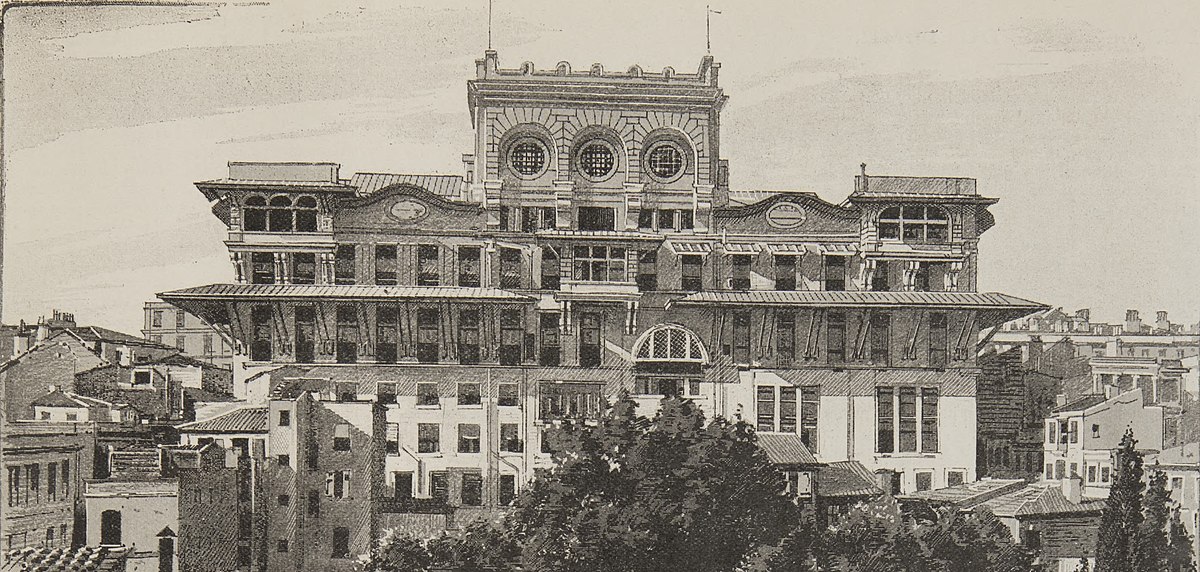
The Imperial Ottoman Bank


The Imperial Ottoman Bank, established in 1856 with French capital, was a financial institution that operated to meet the economic needs of the Ottoman Empire and provide financial services. It played a significant role in the empire's transition to modern banking and contributed to the country's economic development.

The Imperial Ottoman Bank supported the external trade of the Ottoman Empire by providing credit, issuing treasury bonds, and engaging in foreign exchange operations. Additionally, it served as an important financial instrument during the empire's modernization process. The bank established branches in Istanbul, Thessaloniki, Izmir, Cairo, and other major cities within the Ottoman Empire, creating an extensive network.

Throughout the 19th and 20th centuries, the Imperial Ottoman Bank faced economic fluctuations and political upheavals within the Ottoman Empire. With the outbreak of World War I, the bank encountered challenges, and its operations significantly declined following the collapse of the Ottoman Empire after the war.

With the establishment of the Republic of Turkey, the operations of the Imperial Ottoman Bank came to an end. Its assets were taken over and integrated into Turkey's newly established banking system. Today, the historical buildings of the Imperial Ottoman Bank, particularly in Istanbul, stand out. Some of these buildings are utilized as museums, exhibition spaces, or for commercial purposes.

The Imperial Ottoman Bank left a significant legacy in the financial history of the Ottoman Empire and Turkey's banking history. It is recognized as a symbol of the empire's modernization efforts and contributed to the evolution of Turkey's banking sector.

Data Science: The Next Frontier in Player Identification


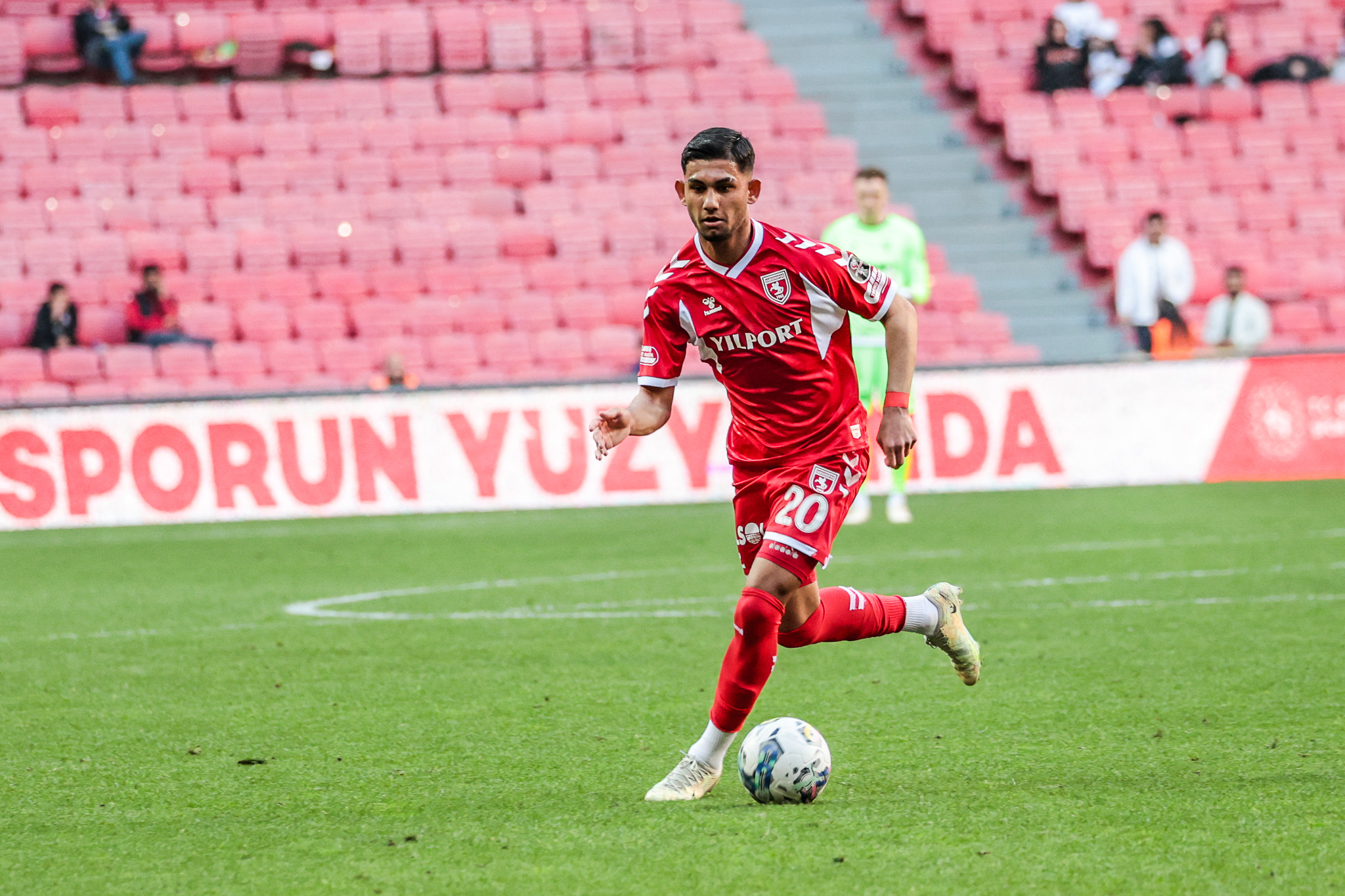
Muhammet Ali Özbaskıcı, Samsunspor vs Bodrumspor


In the world of professional sports, identifying talented players with the potential to succeed at the highest level is a critical task for teams and talent scouts. Traditionally, player evaluation relied heavily on subjective judgments and personal observations. However, with the advent of data science and advanced analytics, teams now have the opportunity to leverage statistical models and machine learning algorithms to gain deeper insights into player performance and potential. In this article, we will explore how data science is revolutionizing player identification by using statistical analysis to identify players who are likely to be successful at the highest level.

Data Collection and Analysis:

To begin the process of identifying high-potential players, a vast amount of data is collected from various sources. This includes player statistics, match data, physical attributes, and even data from wearable devices. This rich dataset is then analyzed using data science techniques to uncover patterns, correlations, and hidden insights that may not be apparent to the naked eye.

Feature Engineering:

One crucial step in the data analysis process is feature engineering. This involves selecting relevant variables and transforming the raw data into meaningful features that can be used to build predictive models. For example, variables such as goal-scoring rates, pass completion percentages, or defensive contributions can be derived from the raw data and used as predictive features.

Machine Learning Models:

With the prepared dataset and engineered features, machine-learning models can be developed to predict player success. These models can employ various techniques such as regression, decision trees, random forests, or more advanced methods like neural networks. The models are trained on historical data, where the outcome variable represents the player's success or achievement at the highest level.

Model Validation and Evaluation:

To ensure the models' accuracy and reliability, they are rigorously validated and evaluated using appropriate performance metrics. This involves dividing the dataset into training and testing sets, and assessing how well the models generalize to new, unseen data. Various evaluation metrics, such as accuracy, precision, recall, and F1 score, can be used to measure the model's predictive power.

Identifying High-Potential Players:

Once the models have been validated, they can be used to identify high-potential players who are likely to succeed at the highest level. By inputting relevant player data into the models, teams can obtain a prediction of the player's likelihood of achieving success based on historical patterns and statistical analysis. These predictions provide valuable insights that can guide talent scouts in their decision-making process.

Limitations and Considerations:

While data science and predictive modeling offer significant advantages in player identification, it is important to acknowledge their limitations. Models are built on historical data, which may not always reflect future trends or changes in the game. Additionally, there are intangible factors such as motivation, work ethic, and mental resilience that cannot be captured by statistical models alone.

Conclusion:

Data science and advanced analytics have revolutionized player identification in the world of professional sports. By leveraging statistical analysis and machine learning techniques, teams and talent scouts can gain deeper insights into player performance and potential. While data-driven approaches provide valuable guidance, they should be complemented with subjective assessments and expert opinions to make well-rounded decisions. Ultimately, the fusion of data science and human expertise holds immense potential in identifying players who are likely to succeed at the highest level and shaping the future of sports.

Investment Tendency Statistics Report: Central Bank of the Republic of Turkey.


Despite facing challenges from the COVID-19 pandemic, the Turkish economy has demonstrated remarkable resilience over the past year, as reported in the latest "Investment Tendency Statistics" report by the Central Bank of the Republic of Turkey.

In 2020, the Turkish economy contracted by 1.8%, significantly less than the anticipated deeper recession. The report attributes this to the robust performance of the agricultural and industrial sectors, which compensated for the reduction in services.
Furthermore, the Turkish government and Central Bank implemented policies to support the economy during the pandemic, such as fiscal aid in the form of cash transfers and tax deferrals, as well as monetary policies to facilitate liquidity and credit growth.

Thanks to these measures, the report reveals that the Turkish economy has commenced its recovery, with GDP growth reaching 1.8% in the fourth quarter of 2020. The report projects that the Turkish economy will expand by 5.8% in 2021, buoyed by a rebound in domestic demand and the global economic recovery.

Nevertheless, the report also highlights some challenges that could impede this progress, including mounting inflationary pressures, the susceptibility of the tourism sector, and geopolitical risks in the region.
To address these challenges, the report advises that the Turkish government and Central Bank continue to implement policies that foster growth and stability, while also pursuing structural reforms to address fundamental weaknesses in the economy.

Overall, the "Investment Tendency Statistics" report presents an optimistic outlook for the Turkish economy, highlighting its resilience in the face of the COVID-19 pandemic and the potential for robust growth in the coming year. However, policymakers must stay watchful and proactive in managing the difficulties that may hinder this growth.