Search This Blog

Showing posts with label identifying talent. Show all posts

Markus Gisdol: A Detailed Exploration of His Career, Tactics, and Influence

Introduction: Football often celebrates its star players, leaving the critical role of coaches in the shadows. However, Markus Gisdol has carved a niche for himself in football history through his strategic acumen and steadfast resolve. His journey across various clubs illustrates not just his tactical evolution but also his profound passion for the sport.


Early Years and Transition to Coaching: Gisdol was born on August 17, 1969, in Geislingen an der Steige, Germany. Like many of his peers, he started as a player, primarily in the lower leagues. These early years on the field provided him with valuable tactical knowledge, laying a robust groundwork for his future coaching exploits.

Gisdol ventured into coaching in the early 2000s, and it wasn't long before his knack for strategy and guidance became apparent. He initiated his coaching career with youth teams, nurturing young talents and thereby establishing a distinguished reputation.

Coaching Methodology and Ideology: Gisdol's expertise as a coach came into the limelight during his tenure with TSG 1899 Hoffenheim. He joined the club in 2013 at a particularly tough time and was pivotal in steering the team from the brink of Bundesliga relegation to a position of stability within the league.

Defined by versatility and adaptiveness, Gisdol's coaching style doesn't rely on a static formation or strategy. Instead, he strategically tailors his approach, considering his own team's assets and the opposition's vulnerabilities. His tactical agility is evident whether he's fortifying the defense with a dependable 4–2–3–1 setup or employing a 3–5–2 formation for a more fluid offensive play.

His fundamental tactical tenets include assertive pressing, rapid transitions, and leveraging the wings effectively. Gisdol's teams are known for their high-energy play, prioritizing swift ball recovery and exploiting quick counter-attacks to create scoring opportunities. This approach not only unsettles opponents but also significantly enhances scoring probabilities.

Triumphs with Köln: Gisdol's adeptness at adaptation was prominently on display during his spell at 1. FC Köln. After a period of initial struggles, his strategic modifications, particularly the shift to 3–5–2 or 3–4–3 formations, injected fresh vitality into the team. These tactical adjustments resulted in an uptick in both the number of goals and accumulated points, solidifying defense while allowing wingers more operational freedom.

Under Gisdol, players like Elvis Rexhbecaj flourished, with the team showcasing a robust offensive and defensive synergy, which became characteristic of that period. His time at Köln was marked by both high and low points, but Gisdol's impact and his ability to adapt his football ideology were unwavering.

Career Overview and Influence: Although Gisdol's win percentages might not rival some of the luminaries of European football coaching, his influence transcends mere statistics. Having often managed teams grappling with the threat of relegation, his tactical intelligence and capacity to galvanize his squad frequently outshone paper projections.

Conclusion: Markus Gisdol's trajectory in football epitomizes both tactical finesse and adaptability. His journey from nurturing talents in youth leagues to facing the rigors of the Bundesliga reflects his deep comprehension of the sport and his malleable approach to tactics.

His engagement with Samsunspor signifies a need for the assimilation of his football doctrine into a new milieu and an opportunity to imprint his tactical signature while cultivating the team. The Turkish football scene presents nuances distinct from Gisdol's past encounters, offering him a platform to broaden his tactical repertoire and establish himself in a new footballing context.

While it's premature to predict the course of Gisdol's tenure at Yilport Samsunspor, this move marks a fresh chapter in his career. The key lies in how Markus Gisdol navigates this novel challenge and applies his rich football acumen to propel Samsunspor forward.


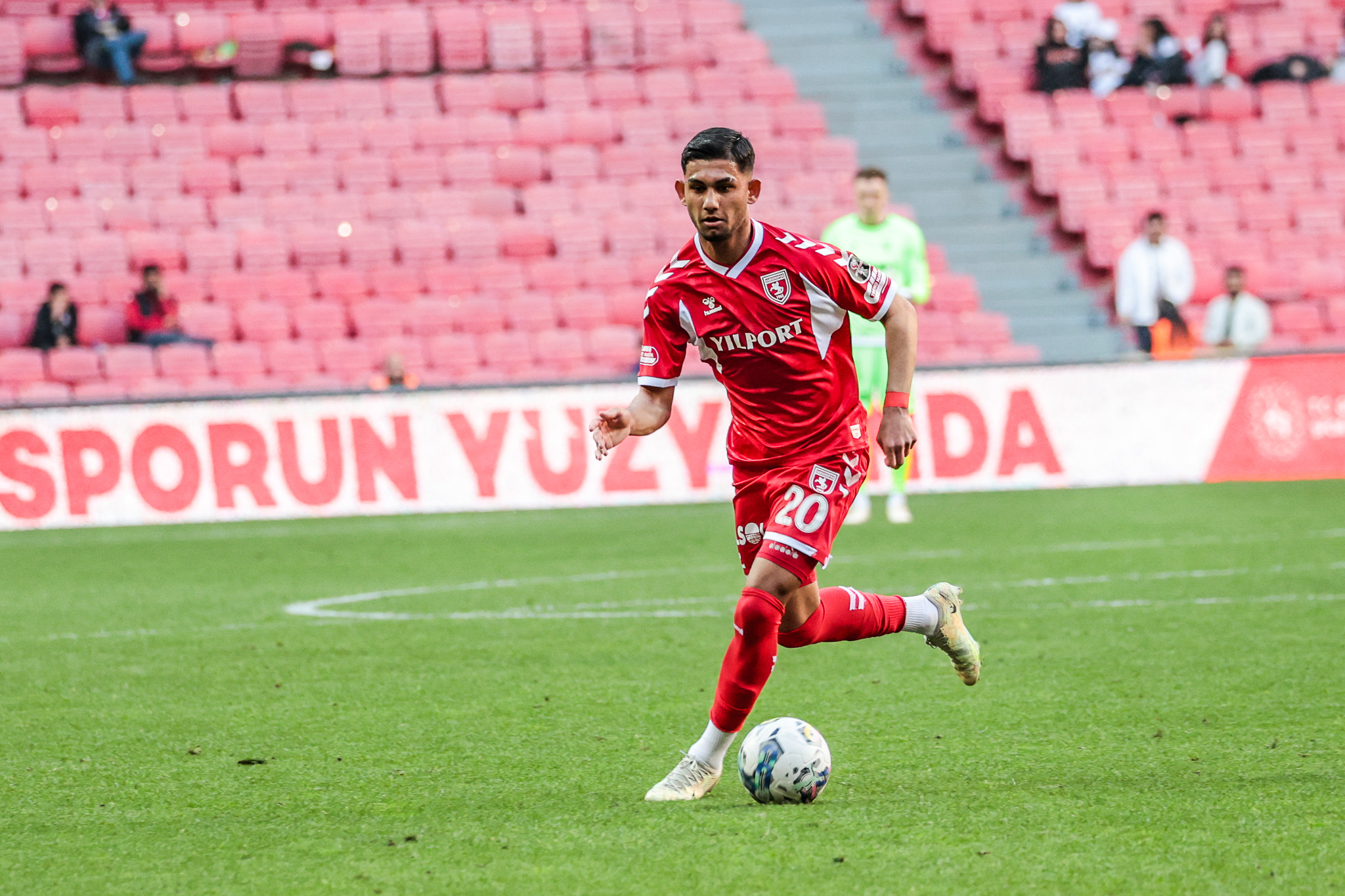
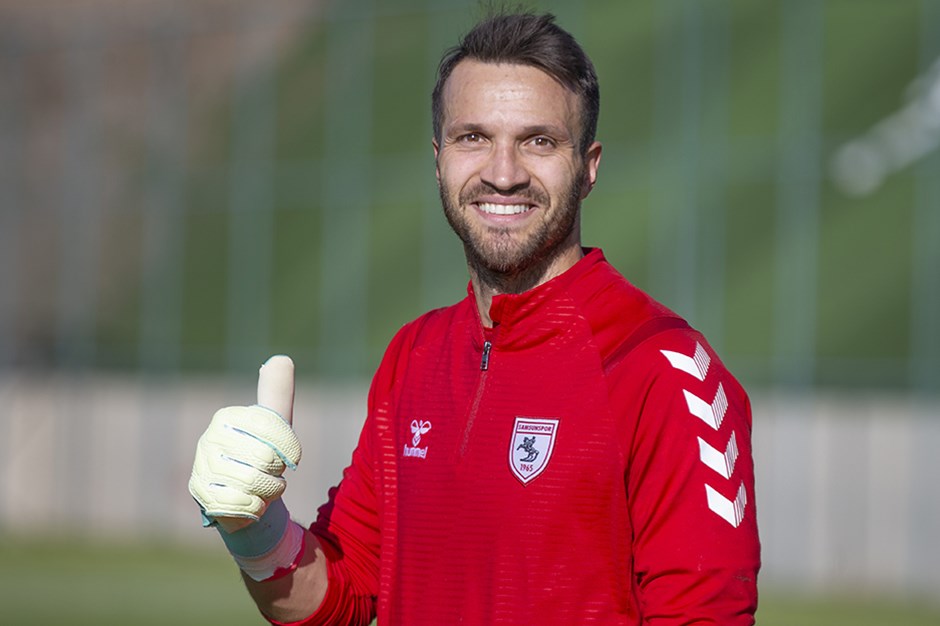

Yılport Samsunspor and Toulouse FC: Charting a New Course in International Football Partnerships


In an unprecedented move, Turkey's Yılport Samsunspor has embarked on a collaborative journey with France's esteemed Ligue 1 football club, Toulouse FC. This unique three-year partnership heralds a new era in football cooperation between Turkey and France, marking a first in Turkish football history.

Shared Goals and Mutual Development

Yılport Samsunspor's Chairman, Yüksel Yıldırım, shed light on the dynamics of this collaboration. Underlining the spirit of mutual growth, he remarked, "Every year, we will send some of our youth players to work alongside the Toulouse FC youth system. This exposure will not only enhance their football skills but will also offer them an opportunity to learn a foreign language and get acclimated to a different culture. In return, Toulouse FC, whenever deemed fit, will loan players they wish to Yılport Samsunspor."

This partnership is not merely confined to player exchanges; it encompasses broader dimensions. Both clubs will synergize their efforts in departments like scouting and analysis, pooling their resources and know-how for the benefit of both.

A Landmark for Turkish Football

Yıldırım expressed his pride in being a part of a groundbreaking initiative between Turkey and France. "We genuinely believe that this partnership will bring immense benefits to both Yılport Samsunspor and Toulouse FC. I hope it proves fruitful for both the clubs," he added. He conveyed his gratitude to Toulouse FC's President, Damien Comolli, and their Sports Strategy Head, Selinay Gürgenç, reiterating his faith in their combined endeavors to launch successful projects.

More than Just Football

At its core, the collaboration between the two clubs will focus on strategic, technical, and administrative insights. With a commitment to mutual knowledge and skill sharing, the clubs intend to engage in diverse projects aimed at holistic development, both on and off the pitch.

Football aficionados in both countries, and indeed around the world, will watch with bated breath as this pioneering partnership unfolds. The success of this venture might just pave the way for similar collaborations worldwide, heralding a new chapter in the global football narrative.

Data Science: The Next Frontier in Player Identification


Muhammet Ali Özbaskıcı, Samsunspor vs Bodrumspor


In the world of professional sports, identifying talented players with the potential to succeed at the highest level is a critical task for teams and talent scouts. Traditionally, player evaluation relied heavily on subjective judgments and personal observations. However, with the advent of data science and advanced analytics, teams now have the opportunity to leverage statistical models and machine learning algorithms to gain deeper insights into player performance and potential. In this article, we will explore how data science is revolutionizing player identification by using statistical analysis to identify players who are likely to be successful at the highest level.

Data Collection and Analysis:

To begin the process of identifying high-potential players, a vast amount of data is collected from various sources. This includes player statistics, match data, physical attributes, and even data from wearable devices. This rich dataset is then analyzed using data science techniques to uncover patterns, correlations, and hidden insights that may not be apparent to the naked eye.

Feature Engineering:

One crucial step in the data analysis process is feature engineering. This involves selecting relevant variables and transforming the raw data into meaningful features that can be used to build predictive models. For example, variables such as goal-scoring rates, pass completion percentages, or defensive contributions can be derived from the raw data and used as predictive features.

Machine Learning Models:

With the prepared dataset and engineered features, machine-learning models can be developed to predict player success. These models can employ various techniques such as regression, decision trees, random forests, or more advanced methods like neural networks. The models are trained on historical data, where the outcome variable represents the player's success or achievement at the highest level.

Model Validation and Evaluation:

To ensure the models' accuracy and reliability, they are rigorously validated and evaluated using appropriate performance metrics. This involves dividing the dataset into training and testing sets, and assessing how well the models generalize to new, unseen data. Various evaluation metrics, such as accuracy, precision, recall, and F1 score, can be used to measure the model's predictive power.

Identifying High-Potential Players:

Once the models have been validated, they can be used to identify high-potential players who are likely to succeed at the highest level. By inputting relevant player data into the models, teams can obtain a prediction of the player's likelihood of achieving success based on historical patterns and statistical analysis. These predictions provide valuable insights that can guide talent scouts in their decision-making process.

Limitations and Considerations:

While data science and predictive modeling offer significant advantages in player identification, it is important to acknowledge their limitations. Models are built on historical data, which may not always reflect future trends or changes in the game. Additionally, there are intangible factors such as motivation, work ethic, and mental resilience that cannot be captured by statistical models alone.

Conclusion:

Data science and advanced analytics have revolutionized player identification in the world of professional sports. By leveraging statistical analysis and machine learning techniques, teams and talent scouts can gain deeper insights into player performance and potential. While data-driven approaches provide valuable guidance, they should be complemented with subjective assessments and expert opinions to make well-rounded decisions. Ultimately, the fusion of data science and human expertise holds immense potential in identifying players who are likely to succeed at the highest level and shaping the future of sports.