Search This Blog

Showing posts with label Turkey. Show all posts

Markus Gisdol: A Detailed Exploration of His Career, Tactics, and Influence

Introduction: Football often celebrates its star players, leaving the critical role of coaches in the shadows. However, Markus Gisdol has carved a niche for himself in football history through his strategic acumen and steadfast resolve. His journey across various clubs illustrates not just his tactical evolution but also his profound passion for the sport.


Early Years and Transition to Coaching: Gisdol was born on August 17, 1969, in Geislingen an der Steige, Germany. Like many of his peers, he started as a player, primarily in the lower leagues. These early years on the field provided him with valuable tactical knowledge, laying a robust groundwork for his future coaching exploits.

Gisdol ventured into coaching in the early 2000s, and it wasn't long before his knack for strategy and guidance became apparent. He initiated his coaching career with youth teams, nurturing young talents and thereby establishing a distinguished reputation.

Coaching Methodology and Ideology: Gisdol's expertise as a coach came into the limelight during his tenure with TSG 1899 Hoffenheim. He joined the club in 2013 at a particularly tough time and was pivotal in steering the team from the brink of Bundesliga relegation to a position of stability within the league.

Defined by versatility and adaptiveness, Gisdol's coaching style doesn't rely on a static formation or strategy. Instead, he strategically tailors his approach, considering his own team's assets and the opposition's vulnerabilities. His tactical agility is evident whether he's fortifying the defense with a dependable 4–2–3–1 setup or employing a 3–5–2 formation for a more fluid offensive play.

His fundamental tactical tenets include assertive pressing, rapid transitions, and leveraging the wings effectively. Gisdol's teams are known for their high-energy play, prioritizing swift ball recovery and exploiting quick counter-attacks to create scoring opportunities. This approach not only unsettles opponents but also significantly enhances scoring probabilities.

Triumphs with Köln: Gisdol's adeptness at adaptation was prominently on display during his spell at 1. FC Köln. After a period of initial struggles, his strategic modifications, particularly the shift to 3–5–2 or 3–4–3 formations, injected fresh vitality into the team. These tactical adjustments resulted in an uptick in both the number of goals and accumulated points, solidifying defense while allowing wingers more operational freedom.

Under Gisdol, players like Elvis Rexhbecaj flourished, with the team showcasing a robust offensive and defensive synergy, which became characteristic of that period. His time at Köln was marked by both high and low points, but Gisdol's impact and his ability to adapt his football ideology were unwavering.

Career Overview and Influence: Although Gisdol's win percentages might not rival some of the luminaries of European football coaching, his influence transcends mere statistics. Having often managed teams grappling with the threat of relegation, his tactical intelligence and capacity to galvanize his squad frequently outshone paper projections.

Conclusion: Markus Gisdol's trajectory in football epitomizes both tactical finesse and adaptability. His journey from nurturing talents in youth leagues to facing the rigors of the Bundesliga reflects his deep comprehension of the sport and his malleable approach to tactics.

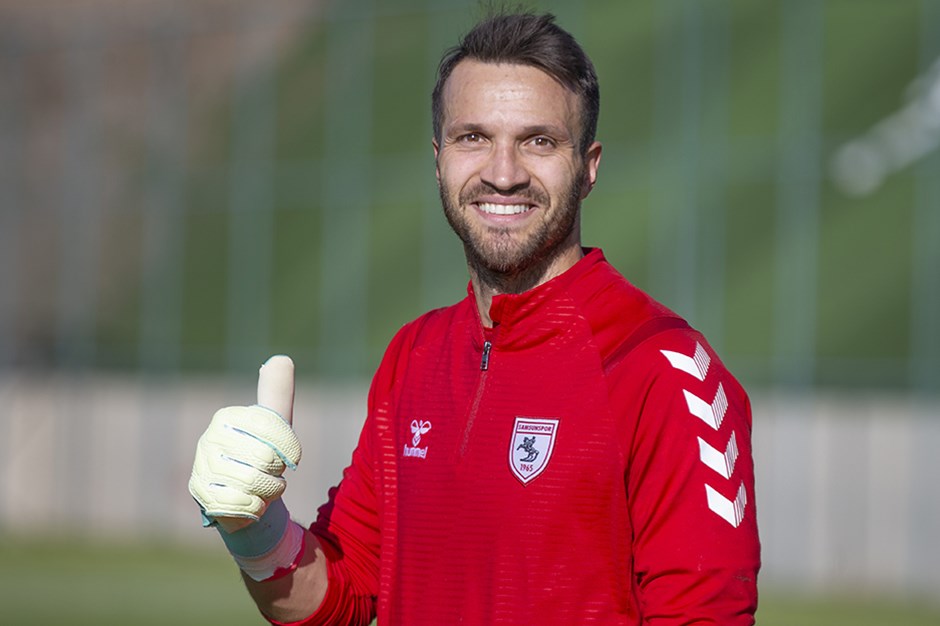
His engagement with Samsunspor signifies a need for the assimilation of his football doctrine into a new milieu and an opportunity to imprint his tactical signature while cultivating the team. The Turkish football scene presents nuances distinct from Gisdol's past encounters, offering him a platform to broaden his tactical repertoire and establish himself in a new footballing context.

While it's premature to predict the course of Gisdol's tenure at Yilport Samsunspor, this move marks a fresh chapter in his career. The key lies in how Markus Gisdol navigates this novel challenge and applies his rich football acumen to propel Samsunspor forward.


The Financial Paradox of Turkish Football


The world of football has witnessed astronomical spending in recent years, with clubs vying to acquire top-tier talent in hopes of achieving on-field success. Surprisingly, beyond the vast wealth of the Premier League, Turkish football clubs have emerged as significant players in the transfer market. This essay delves into the financial intricacies of these clubs, focusing on their spending habits, sources of income, and the broader implications for the future.

Unprecedented Spending Amidst Debts

In a surprising twist for a league outside Europe's traditional powerhouses, Turkish clubs have been dominant spenders in the transfer market over the last two years. To put this in perspective, the country's major clubs - Galatasaray, Fenerbahçe, Beşiktaş, and Trabzonspor - were collectively around 1.7 billion EUR in debt in 2021. Despite the massive debt, clubs like Galatasaray continued to spend big. Their wage bill alone for recent signings is estimated at around 50 million EUR, a figure that rivals top clubs in countries with stronger footballing reputations. The spending spree isn't solely restricted to transfer fees. Estimated salaries for significant signings can range in the millions, with additional costs related to bonuses, taxes, and signing-on fees.

The Revenue Channels Fueling the Expenditure

So, what drives this aggressive spending despite a backdrop of financial strain? The answers lie in various revenue channels that the clubs have strategically tapped into. Galatasaray, for instance, secured a lucrative three-year 15 million EUR deal with Azerbaijan state oil company, SOCAR, for their European competition shirt sponsorship. Additionally, they have renewed contracts with car rental company SIXT and engaged in a naming rights agreement for their stadium with construction company Rams Global.

Beyond sponsorships, property deals offer another significant revenue stream. Galatasaray's projected move to a new training facility in Istanbul will pave the way for luxury housing projects on their current base, anticipated to bring in around 455 million EUR.

However, not all revenue channels are growing. The league's broadcast revenue has been dwindling, with a new global broadcast deal valued significantly lower than its predecessor. This dip makes Champions League revenue even more crucial for these clubs.

The Socio-economic Implications and Future Concerns

The financial behavior of Turkish football clubs is also influenced by socio-cultural factors. For instance, the Turkish fan base's love for big names in football has often pressured club management into making high-profile signings. A telling example from 2015 highlighted how Fenerbahçe's signing of Robin Van Persie and Nani bolstered their season ticket sales, outpacing their rival Galatasaray, despite the latter's superior performance that season.

However, what is most alarming is the apparent lack of consequences for these clubs' unsustainable financial behaviors. While these big clubs are listed on the stock exchange, their popularity and social implications effectively render them "too big to fail". Even when clubs reached alarming debt levels, state-owned banks restructured their dues at favorable rates.

Nevertheless, the landscape might be slowly shifting. The Financial Fair Play (FFP) has posed challenges for these clubs, even if previously they were seen as mere inconveniences. Growing concerns from the government and a changing public sentiment against reckless spending, especially when taxpayer money has been used for bailouts, indicate that a change may be on the horizon.

The financial dynamics of Turkish football clubs provide a unique case study in the world of sports economics. Their aggressive spending, fueled by diverse revenue channels and socio-cultural pressures, presents a dichotomy against their vast debts. While they've managed to navigate these treacherous financial waters so far, the future demands a more sustainable approach. The shifting landscapes of public opinion and regulatory restrictions might just be the catalysts for this much-needed change.