Search This Blog

Showing posts with label Football. Show all posts

Markus Gisdol: A Detailed Exploration of His Career, Tactics, and Influence

Introduction: Football often celebrates its star players, leaving the critical role of coaches in the shadows. However, Markus Gisdol has carved a niche for himself in football history through his strategic acumen and steadfast resolve. His journey across various clubs illustrates not just his tactical evolution but also his profound passion for the sport.


Early Years and Transition to Coaching: Gisdol was born on August 17, 1969, in Geislingen an der Steige, Germany. Like many of his peers, he started as a player, primarily in the lower leagues. These early years on the field provided him with valuable tactical knowledge, laying a robust groundwork for his future coaching exploits.

Gisdol ventured into coaching in the early 2000s, and it wasn't long before his knack for strategy and guidance became apparent. He initiated his coaching career with youth teams, nurturing young talents and thereby establishing a distinguished reputation.

Coaching Methodology and Ideology: Gisdol's expertise as a coach came into the limelight during his tenure with TSG 1899 Hoffenheim. He joined the club in 2013 at a particularly tough time and was pivotal in steering the team from the brink of Bundesliga relegation to a position of stability within the league.

Defined by versatility and adaptiveness, Gisdol's coaching style doesn't rely on a static formation or strategy. Instead, he strategically tailors his approach, considering his own team's assets and the opposition's vulnerabilities. His tactical agility is evident whether he's fortifying the defense with a dependable 4–2–3–1 setup or employing a 3–5–2 formation for a more fluid offensive play.

His fundamental tactical tenets include assertive pressing, rapid transitions, and leveraging the wings effectively. Gisdol's teams are known for their high-energy play, prioritizing swift ball recovery and exploiting quick counter-attacks to create scoring opportunities. This approach not only unsettles opponents but also significantly enhances scoring probabilities.

Triumphs with Köln: Gisdol's adeptness at adaptation was prominently on display during his spell at 1. FC Köln. After a period of initial struggles, his strategic modifications, particularly the shift to 3–5–2 or 3–4–3 formations, injected fresh vitality into the team. These tactical adjustments resulted in an uptick in both the number of goals and accumulated points, solidifying defense while allowing wingers more operational freedom.

Under Gisdol, players like Elvis Rexhbecaj flourished, with the team showcasing a robust offensive and defensive synergy, which became characteristic of that period. His time at Köln was marked by both high and low points, but Gisdol's impact and his ability to adapt his football ideology were unwavering.

Career Overview and Influence: Although Gisdol's win percentages might not rival some of the luminaries of European football coaching, his influence transcends mere statistics. Having often managed teams grappling with the threat of relegation, his tactical intelligence and capacity to galvanize his squad frequently outshone paper projections.

Conclusion: Markus Gisdol's trajectory in football epitomizes both tactical finesse and adaptability. His journey from nurturing talents in youth leagues to facing the rigors of the Bundesliga reflects his deep comprehension of the sport and his malleable approach to tactics.

His engagement with Samsunspor signifies a need for the assimilation of his football doctrine into a new milieu and an opportunity to imprint his tactical signature while cultivating the team. The Turkish football scene presents nuances distinct from Gisdol's past encounters, offering him a platform to broaden his tactical repertoire and establish himself in a new footballing context.

While it's premature to predict the course of Gisdol's tenure at Yilport Samsunspor, this move marks a fresh chapter in his career. The key lies in how Markus Gisdol navigates this novel challenge and applies his rich football acumen to propel Samsunspor forward.


The Financial Paradox of Turkish Football


The world of football has witnessed astronomical spending in recent years, with clubs vying to acquire top-tier talent in hopes of achieving on-field success. Surprisingly, beyond the vast wealth of the Premier League, Turkish football clubs have emerged as significant players in the transfer market. This essay delves into the financial intricacies of these clubs, focusing on their spending habits, sources of income, and the broader implications for the future.

Unprecedented Spending Amidst Debts

In a surprising twist for a league outside Europe's traditional powerhouses, Turkish clubs have been dominant spenders in the transfer market over the last two years. To put this in perspective, the country's major clubs - Galatasaray, Fenerbahçe, Beşiktaş, and Trabzonspor - were collectively around 1.7 billion EUR in debt in 2021. Despite the massive debt, clubs like Galatasaray continued to spend big. Their wage bill alone for recent signings is estimated at around 50 million EUR, a figure that rivals top clubs in countries with stronger footballing reputations. The spending spree isn't solely restricted to transfer fees. Estimated salaries for significant signings can range in the millions, with additional costs related to bonuses, taxes, and signing-on fees.

The Revenue Channels Fueling the Expenditure

So, what drives this aggressive spending despite a backdrop of financial strain? The answers lie in various revenue channels that the clubs have strategically tapped into. Galatasaray, for instance, secured a lucrative three-year 15 million EUR deal with Azerbaijan state oil company, SOCAR, for their European competition shirt sponsorship. Additionally, they have renewed contracts with car rental company SIXT and engaged in a naming rights agreement for their stadium with construction company Rams Global.

Beyond sponsorships, property deals offer another significant revenue stream. Galatasaray's projected move to a new training facility in Istanbul will pave the way for luxury housing projects on their current base, anticipated to bring in around 455 million EUR.

However, not all revenue channels are growing. The league's broadcast revenue has been dwindling, with a new global broadcast deal valued significantly lower than its predecessor. This dip makes Champions League revenue even more crucial for these clubs.

The Socio-economic Implications and Future Concerns

The financial behavior of Turkish football clubs is also influenced by socio-cultural factors. For instance, the Turkish fan base's love for big names in football has often pressured club management into making high-profile signings. A telling example from 2015 highlighted how Fenerbahçe's signing of Robin Van Persie and Nani bolstered their season ticket sales, outpacing their rival Galatasaray, despite the latter's superior performance that season.

However, what is most alarming is the apparent lack of consequences for these clubs' unsustainable financial behaviors. While these big clubs are listed on the stock exchange, their popularity and social implications effectively render them "too big to fail". Even when clubs reached alarming debt levels, state-owned banks restructured their dues at favorable rates.

Nevertheless, the landscape might be slowly shifting. The Financial Fair Play (FFP) has posed challenges for these clubs, even if previously they were seen as mere inconveniences. Growing concerns from the government and a changing public sentiment against reckless spending, especially when taxpayer money has been used for bailouts, indicate that a change may be on the horizon.

The financial dynamics of Turkish football clubs provide a unique case study in the world of sports economics. Their aggressive spending, fueled by diverse revenue channels and socio-cultural pressures, presents a dichotomy against their vast debts. While they've managed to navigate these treacherous financial waters so far, the future demands a more sustainable approach. The shifting landscapes of public opinion and regulatory restrictions might just be the catalysts for this much-needed change.

Yılport Samsunspor and Toulouse FC: Charting a New Course in International Football Partnerships


In an unprecedented move, Turkey's Yılport Samsunspor has embarked on a collaborative journey with France's esteemed Ligue 1 football club, Toulouse FC. This unique three-year partnership heralds a new era in football cooperation between Turkey and France, marking a first in Turkish football history.

Shared Goals and Mutual Development

Yılport Samsunspor's Chairman, Yüksel Yıldırım, shed light on the dynamics of this collaboration. Underlining the spirit of mutual growth, he remarked, "Every year, we will send some of our youth players to work alongside the Toulouse FC youth system. This exposure will not only enhance their football skills but will also offer them an opportunity to learn a foreign language and get acclimated to a different culture. In return, Toulouse FC, whenever deemed fit, will loan players they wish to Yılport Samsunspor."

This partnership is not merely confined to player exchanges; it encompasses broader dimensions. Both clubs will synergize their efforts in departments like scouting and analysis, pooling their resources and know-how for the benefit of both.

A Landmark for Turkish Football

Yıldırım expressed his pride in being a part of a groundbreaking initiative between Turkey and France. "We genuinely believe that this partnership will bring immense benefits to both Yılport Samsunspor and Toulouse FC. I hope it proves fruitful for both the clubs," he added. He conveyed his gratitude to Toulouse FC's President, Damien Comolli, and their Sports Strategy Head, Selinay Gürgenç, reiterating his faith in their combined endeavors to launch successful projects.

More than Just Football

At its core, the collaboration between the two clubs will focus on strategic, technical, and administrative insights. With a commitment to mutual knowledge and skill sharing, the clubs intend to engage in diverse projects aimed at holistic development, both on and off the pitch.

Football aficionados in both countries, and indeed around the world, will watch with bated breath as this pioneering partnership unfolds. The success of this venture might just pave the way for similar collaborations worldwide, heralding a new chapter in the global football narrative.

Samsunspor: The Pride of the Black Sea Coast


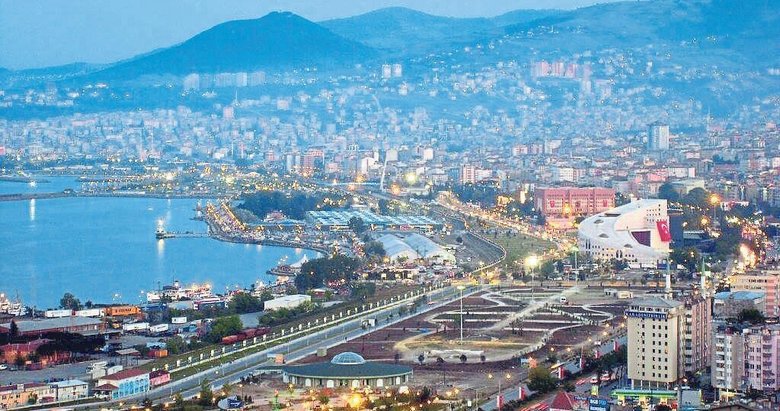
Nestled along the northern coast of Turkey, the city of Samsun boasts of historical significance, picturesque landscapes, and an unmatched fervor for football. The heartbeat of this passion? Samsunspor. Established in 1965, the club has since become an integral part of the city’s cultural tapestry, representing not just a sports team but a symbol of local identity and pride.

A Legacy Born from Passion:

From the moment of its inception, Samsunspor was never just about the game. It was about a community coming together, rallying behind a shared dream. The club quickly became a reflection of the city's spirit: resilient, ambitious, and ever vibrant. As Samsun went through its socio-economic transitions, so did the club, molding itself into a symbol of hope and perseverance for its citizens.

The Red Lightning Fans(Kırmızı Şimşekler):

No discussion of Samsunspor would be complete without a tribute to its fans, often referred to as "The Red Lightning". These are not just spectators; they are the lifeblood of the team. Through thick and thin, their chants have echoed, their flags have waved, and their passion has been unwavering. The electrifying atmosphere they create during match days is testament to their devotion and the integral role they play in making Samsunspor more than just a football club.

Cherishing Memorable Moments:

Samsunspor's journey through the decades is punctuated with a myriad of unforgettable moments that have solidified its bond with fans. Their historic promotion to the Süper Lig was not just an athletic achievement but a source of immense civic pride, with jubilant celebrations echoing through Samsun streets. Contrastingly, the 1989 bus tragedy is a somber chapter, yet it stands as a testament to the club's unyielding spirit. The resilience showcased post-tragedy, with the entire community rallying behind the team, epitomizes their collective strength. On the pitch, Samsunspor has treated fans to epic comebacks, none more thrilling than overturning two-goal deficits to emerge victoriously. Local derbies, intense affairs by nature, have seen the club dominate rivals, with such wins evoking unparalleled elation. The pride swells when a local youth academy product shines on the big stage, underscoring the club's commitment to nurturing home-grown talent. Lastly, Samsunspor's European escapades, especially their spirited performances against reputed European squads, have etched indelible marks on the hearts of fans. Through highs and lows, these moments exemplify the deep-rooted connection between Samsunspor and its ardent supporters.

Samsun and Samsunspor – An Inseparable Bond:

It’s not an exaggeration to say that the city of Samsun and Samsunspor are deeply entwined. From local businesses supporting the club to children dreaming of donning the red jersey, the influence of Samsunspor can be seen in every nook and cranny of the city. The club has done more than just play football; it has fostered community spirit, ignited dreams, and has been a beacon of hope for many.

Samsunspor isn't just a football club; it's a sentiment, a way of life for many in Samsun. Representing the dreams and aspirations of its people, the club stands as a testament to the indomitable spirit of the city and its residents. As the sun sets on the Black Sea coast, one thing remains certain: the pride and passion for Samsunspor will continue to shine brightly, illuminating the path for generations to come.


Intense Football Rivalries from Around the World

Football rivalries, often referred to as 'derbies,' are woven into the fabric of many cities and nations. While these rivalries can stem from various factors like class, religion, and nationalism, they all share a common thread of fierce competition. Let's delve into some iconic football rivalries:

Spain: Barcelona vs. Real Madrid

El Clásico, the showdown between Barcelona and Real Madrid, is globally watched and brimming with excitement. Beyond the on-field spectacle lies a historic rivalry rooted in Spanish history. Barcelona represents Catalan pride, while Real Madrid has symbolized a united Spain. Their clashes carry political undertones, with ties stretching back to the Spanish Civil War.


Turkey: Fenerbahçe vs. Galatasaray

The Fenerbahçe-Galatasaray rivalry is a century-old clash igniting Istanbul. Representing different cultural sides of the city, Fenerbahçe caters to the Asian side, while Galatasaray leans European. Their face-offs transform Istanbul into a cauldron of passion and fervor.


Brazil: Flamengo vs. Vasco da Gama

Flamengo and Vasco da Gama's rivalry emerged from Rio de Janeiro's elite football clubs. These teams initially focused on rowing and sailing, and their rivalry began on the water. Their confrontations, known as The Classic of Millions, are fierce, with millions of Brazilian supporters rallying behind their respective clubs.


Italy: Juventus vs. Inter Milan

Juventus boasts intense rivalries with Torino FC and Inter Milan. The latter, known as the Derby d’Italia, stems from their consistent challenges for Serie A supremacy. This rivalry has witnessed shifts in power, with Juventus currently holding the upper hand.


England: Manchester United vs. Liverpool

Manchester United and Liverpool's rivalry finds its roots in the Industrial Revolution. Their tussle for dominance spans decades, driven by remarkable periods of success. These two powerhouses continually battle for supremacy on the footballing stage.


Argentina: Boca Juniors vs. River Plate

Boca Juniors and River Plate are Argentina's football giants, with fervent fan bases. Their clashes, known as the Superclásico, echo through Buenos Aires. These fierce encounters are marked by an electric atmosphere, passionate play, and intense fan engagement.

Football rivalries are not solely about the game; they reflect the unique histories, identities, and aspirations of the cities and nations they represent. Each match is a culmination of passion, pride, and a desire to emerge victorious.


Samsunspor's Unyielding Spirit Shines Despite Defeat


In a clash that ignited the hearts of football enthusiasts, Samsunspor, after a commendable 11-year hiatus, embraced their first home match in the prestigious Süper Lig against Fenerbahçe. The match may have ended with a 2-0 victory for Fenerbahçe, but the relentless spirit of Samsunspor continues to inspire.

From the very start, Samsunspor showcased their determination to seize the moment. In the 2nd minute, a near-miss opportunity saw Moryke Fofana expertly setting up Laura within Fenerbahçe's penalty area. Despite the chance slipping away, Samsunspor's eagerness to make their mark was undeniable.

The 7th minute witnessed an intense push from Samsunspor, as Ntcham's skillful shot from outside the box brushed narrowly past the post. This early display of vigor demonstrated their intention to dominate the field.

As the match unfolded, both teams showcased their prowess. Fenerbahçe's Edin Dzeko found his mark in the 14th minute, displaying the team's offensive capabilities. Samsunspor's goalkeeper thwarted the attempt, showcasing the unwavering resilience of the home team's defense.

The first half progressed with opportunities and countermeasures, each team showcasing their determination to secure an advantage. The excitement heightened as the second half began, with Fenerbahçe on a quest for supremacy. Despite Samsunspor's relentless efforts, Fenerbahçe's precision ultimately led to Dzeko's pivotal goal in the 62nd minute.

Although the final score favored Fenerbahçe, Samsunspor's unwavering spirit was palpable throughout the match. The crowd's cheers and the players' passion echoed through the stadium, a testament to the deep-rooted love for football that Samsunspor represents.

As the final whistle blew, it was clear that the scoreline didn't reflect the true essence of the match. Samsunspor's return to the Süper Lig after 11 years is a story of resilience, determination, and the unbreakable bond between a team and its fans. While the victory may have been claimed by Fenerbahçe this time, the spirit of Samsunspor remains unvanquished and poised for the challenges that lie ahead. 

Sivasspor and Samsunspor Share Points in a 1-1 Draw


In an anticipated match of the 2023/24 Super Lig's opening week, Sivasspor and Samsunspor clashed at Sivas 4 Eylül Stadium. The ninety-minute battle concluded in a hard-fought 1-1 draw, leaving both teams to settle for a point each.

The opening game of the Trendyol Super Lig's new season witnessed EMS Yapı Sivasspor hosting Yılport Samsunspor. Under the guidance of referee Murat Erdoğan, the match showcased a tense showdown with no clear victor. The scoreboard remained unchanged, reflecting a 1-1 scoreline at the final whistle.

The goals did not come easily, with both teams displaying resilience and determination. Sivasspor's Clinton Njie found the net in the 10th minute, putting his team ahead. However, Samsunspor's Rick Van Drongelen responded in the 78th minute, leveling the scoreline.

Sivasspor's new manager, Servet Çetin, saw his team secure a point in his debut official match. The team will now prepare to face Gaziantep FK in the next fixture, aiming to secure their first win of the season. On the other hand, Samsunspor, under Hüseyin Eroğlu's management, returned to the Super Lig after an 11-year hiatus. They will host Fenerbahçe in their upcoming match, hoping to earn three points against their formidable opponent.

The match witnessed key moments that added to the excitement. Njie's 10th-minute goal showcased Sivasspor's attacking prowess, while Van Drongelen's header from Soner's free-kick secured Samsunspor's equalizer. Both teams demonstrated their determination to make their mark in the new season.

As the opening week set the stage for what promises to be an exhilarating season, fans can anticipate more thrilling encounters and intense battles in the coming weeks. With surprises waiting at every corner, the Super Lig's 2023/24 season has officially kicked off with a bang.

The Evolution of Goalkeepers: From Shot Stoppers to Ball-Playing Guardians

In the not-so-distant past, goalkeepers were primarily seen as shot stoppers, tasked with the sole responsibility of keeping the ball out of their net. Their role was often limited to making saves and organizing the defense. However, the modern game has transformed the position of goalkeepers, turning them into integral tactical components of the team.

Enter the Ball-Playing Goalkeeper (BPGK), a versatile variant of the traditional shot-stopper. While BPGKs are still expected to command their area effectively and make crucial saves, their responsibilities extend far beyond the conventional duties of a goalkeeper. They are now an essential link between the defense and the team's attacking play.

Andre Onana tactical role


One of the key qualities of a BPGK is excellent decision-making. They are not only focused on preventing goals but also play a significant role in starting attacking moves from the back. Their passing range has become crucial, as they are required to make accurate short passes and distribute long balls with precision. Unlike the traditional goalkeeper, BPGKs are confident with the ball at their feet and can initiate attacking plays with tactical intention.

Andre Onana decision making

Explosiveness and agility are essential attributes for a BPGK. They need to be quick off their line to close down opponents and agile enough to react to rapid changes in the game. Communication is another vital skill as they act as the eyes and ears of the defense, guiding their teammates and ensuring everyone is well-organized.

The evolution of the modern goalkeeper can be traced back to rule changes and tactical shifts over the years. In the early 20th century, goalkeepers were allowed to handle the ball anywhere in their half. However, the rule was later modified, limiting them to using their hands only within the penalty area. Then, the introduction of the backpass rule in 1992 forced goalkeepers to improve their footwork and ball control.

Today, attacks often begin with the goalkeeper. Coaches place great emphasis on the goalkeeper's ability to play with their feet, as their actions can shape the team's entire style of play. Long gone are the days of mindlessly kicking the ball upfield; instead, goalkeepers are expected to make tactical decisions based on the team's strategy.

The modern goalkeeper has evolved into a multifaceted player, combining traditional shot-stopping abilities with ball-playing skills. The BPGK is the epitome of this transformation, bridging the gap between a sweeper-keeper and a conventional shot-stopper. Their impact on the game extends far beyond their penalty area, making them indispensable tactical assets for any team. As football continues to evolve, the role of the goalkeeper will undoubtedly continue to adapt and redefine itself, adding further excitement and innovation to the beautiful game.

Struggles and Aspirations: African Footballers Chasing Dreams in Turkey

Football has long been a unifying force in Africa, with countless young talents aspiring to make it big in the world of professional football. However, the opportunities in their home countries are often limited, pushing these determined players to seek their fortunes abroad. Among the popular destinations, Turkey has emerged as a promising land of opportunities for African footballers. In a gripping documentary titled "Turkey: The Dashed Dreams of African Footballers," ARTE.tv delves into the lives of these aspiring athletes, shedding light on their struggles, sacrifices, and unwavering aspirations in their pursuit of success on foreign soil.

In Africa, the love for football runs deep, but the infrastructure and resources to nurture young talents are not always readily available. The lack of professional leagues and well-established scouting systems poses significant hurdles for budding footballers looking to showcase their skills. As a result, many talented players feel compelled to leave their homelands in search of better prospects and a chance to fulfill their dreams of playing on international stages.

The path to success in Turkey, while promising, is laden with financial challenges for African footballers. In the documentary, one player, Samuel, recounts his struggle in France before finally securing a place in a Turkish club. The cost of living, training, and accommodation often becomes an uphill battle for these young athletes, who must rely on their determination and resilience to overcome these obstacles.

Manager Anthony emerges as a pivotal figure in the journey of these African footballers. He acts as a guiding force, bridging the gap between African talents and Turkish opportunities. Anthony's efforts involve connecting players with professional scouts, agents, and coaches, giving them a chance to showcase their skills and secure a spot in reputable clubs. His support and belief in these players become a beacon of hope in their quest for success.

Amidst the trials and tribulations, these African footballers remain resolute in their aspirations. Their unwavering dedication and passion for the sport propel them forward, inspiring hope and admiration from those who witness their journey. As they train relentlessly and compete with fierce determination, these young athletes prove that their dreams are worth pursuing, no matter the challenges they encounter along the way.

For some footballers, like Emeka, achieving their dreams involves making difficult sacrifices. The documentary reveals that Emeka had to pause his training to save money for a better future. Rather than resorting to illegal means, he demonstrates resilience and determination, working diligently to achieve his goals and provide for his family.

"Struggles and Aspirations: African Footballers Chasing Dreams in Turkey" is a poignant portrayal of the journeys undertaken by young African footballers in pursuit of their dreams. Despite facing financial difficulties, cultural differences, and the uncertainty of life in a foreign land, these talented athletes remain steadfast in their determination. The documentary serves as a powerful testament to their indomitable spirit, reminding us that the pursuit of one's passion and dreams is a universal journey filled with challenges and triumphs. As these African footballers continue to chase their dreams in Turkey, they inspire hope, admiration, and a sense of unity that transcends borders and cultures in the world of sports.


Triumph after Tragedy: Yılport Samsunspor's Glorious Return to the Süper Lig

In the darkest year in the history of Turkish football, Samsunspor faced a devastating tragedy that shook the foundations of the club. On January 20, 1989, a fateful accident during a snowy road trip to Malatya claimed the lives of their beloved coach, Nuri Asan, star players Muzaffer Badalıoğlu and Mete Adanır, and bus driver Asım Özkan. The accident left an indelible mark on the club's history, halting its momentum and shattering the dreams of its devoted supporters.


Following the tragedy, Samsunspor struggled to regain its former glory. Many players retired from football, and the team faced challenges in rebuilding. Nevertheless, Samsunspor's fighting spirit persisted, and they managed to stay in the league through a special decision after a string of matches were declared 3-0 losses in the second half of the season.

In subsequent years, the club went through ups and downs, experiencing moments of success and disappointment. While they were able to ascend to the top-tier Süper Lig and achieve commendable finishes in the league, they were unable to replicate their past dominance. The impact of the accident continued to linger, leaving a void in the hearts of millions and a longing for the return of Samsunspor's golden era.

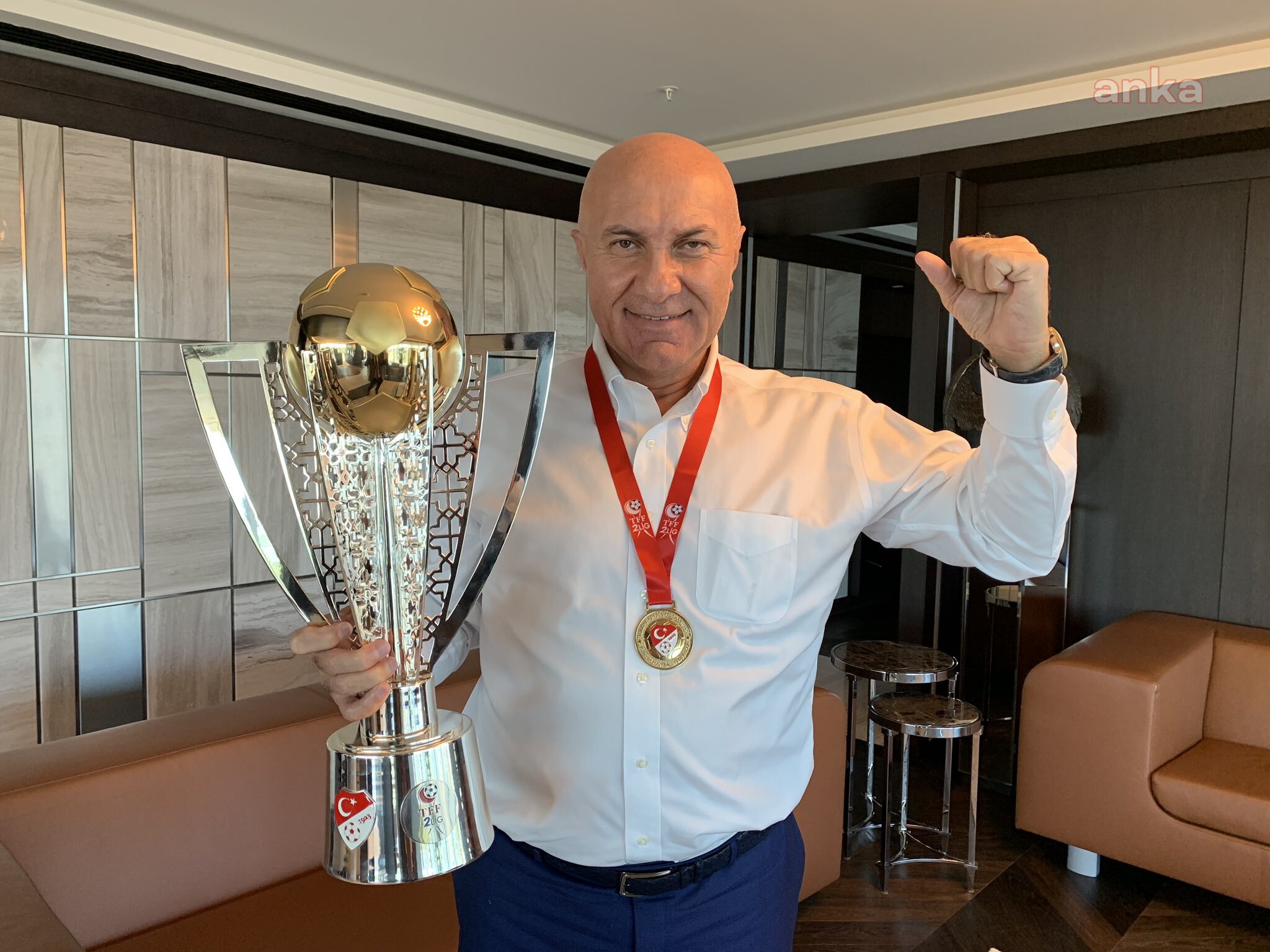
Fast forward to the 2022/23 season, and Samsunspor has achieved a remarkable milestone – Under Yüksel Yıldırım's Ownership, Samsunspor's journey to reclaim its spot in the Süper Lig was nothing short of extraordinary. They have triumphantly returned to the Süper Lig, winning the "Spor Toto 1. Lig" championship. After years of hard work, determination, and resilience, the club has finally reclaimed its spot in the top-tier league.  The tragic events of the past had left an indelible mark on the club, but Yıldırım's unwavering determination and commitment to the team's success paved the way for a brighter future.

As Samsunspor prepares to compete in the Süper Lig once again, they carry with them the memories of their fallen heroes from that tragic day in 1989. Their return to the top flight is a symbol of hope and resilience, showcasing the true power of football to heal and inspire.

The fans' unwavering support throughout the years and Yıldırım's passion and vision has been instrumental in the club's resurgence. The tragic event of January 20, 1989, serves as a poignant reminder of the fragility of life, but it also highlights the enduring power of the beautiful game.

As Samsunspor sets its sights on the challenges ahead, their supporters stand united in their belief that this historic club will rise again. The Süper Lig awaits the return of Samsunspor's vibrant colors, passionate fans, and indomitable spirit, visionary president and the football world eagerly anticipates the resurgence of this legendary team.


Samsunspor's journey is a testament to the essence of football – a sport that can bring joy, heartache, and ultimately, triumph. As they step onto the Süper Lig stage once more, Samsunspor carries with them the hopes and dreams of their devoted fans, forever inspired by the indelible spirit of their fallen heroes.


Pie Charts to visualize goal contribution of Samsunspor strikers

A pie chart is a circular statistical graphic, which is divided into slices to illustrate numerical proportion. In a pie chart, the arc length of each slice is proportional to the quantity it represents. Pie charts are widely used to show percentage or proportional data and usually the total sum of all segments needs to equal 100%.

There are several R functions that can be used to create a pie chart, some of the most popular ones are:

  1. pie() : This is a basic function in R to create a pie chart. It takes in a numeric vector of values as input and creates a pie chart with each element of the vector representing the proportion of the corresponding slice.

pie(x, labels, radius, main, col, clockwise)

Following is the description of the parameters used −

  • x is a vector containing the numeric values used in the pie chart.
  • labels is used to give description to the slices.
  • radius indicates the radius of the circle of the pie chart.(value between −1 and +1).
  • main indicates the title of the chart.
  • col indicates the color palette.
  • clockwise is a logical value indicating if the slices are drawn clockwise or anti clockwise.

  1. pie3D() : This function creates a 3D pie chart. It takes in the same input as the pie() function, but also allows for additional customization options such as colors, labels, and explode value. 
   3. ggplot2::ggpie() : This function is part of the ggplot2 library, and allows for more advanced customization options for creating a pie chart. It also allows for the creation of a pie chart with multiple layers and the use of different scales.

You can use any of the above functions to create a pie chart in R, depending on your specific needs and the level of customization you require.

Radar Plot in ggplot2 Comparing Alim Öztürk and Uğur Demirok


This article runs through the creation of basic radar charts in R, plotting the data of two players, before creating a function to streamline the process.

This code defines two players' attributes by creating AlimOzturk and UgurDemirok vectors and then combines them into a data frame. It assigns the column names of the data frame to the variable Attributes and the number of attributes to the variable AttNo. Then it creates a new data frame by adding the first column of the data frame again at the end of the dataframe.

This code creates a function called circleFun which takes in three parameters: center, diameter and npoints. The function calculates the radius and creates a sequence of points on the circle using trigonometry. The function then returns a data frame with x and y coordinates of the points on the circle. Then it creates four circles with different diameters by calling the circleFun function four times and passing in different diameter values. Next, it splits the angles into segments by dividing 2pi by the number of attributes in the data frame and creating a sequence from 0 to 2pi with a length of angle_spilt.

This code creates two empty data frames LineData and TitlePositioning. The LineData data frame has two numeric columns x and y and stringsAsFactors is set to F. The TitlePositioning data frame has three columns: title, x and y with the title column being of character type and x and y being of numeric type. Also stringsAsFactors is set to F. These data frames are used to store the data needed to create the lines and labels in the radar chart.

This code creates the data needed for the background construction of the radar chart. It loops through the columns of the data frame and calculates the x and y coordinates for each segment of the chart by using trigonometry. It stores the x and y coordinates in the LineData data frame. It also creates the title data by looping through the columns of the data frame, calculates the x and y coordinates for the title position using trigonometry and stores the title, x and y coordinates in the TitlePositioning data frame.

Then it creates the value labeling data. It creates a values vector containing the values 25, 50, and 75. It calculates the radian for the values by dividing the angle_spilt by 2. Then it calculates the x and y coordinates for the values using trigonometry and stores the values, x and y coordinates in the ValuePositioning data frame.

It adds the origin values (0,0) for the lines by adding two columns x2 and y2 to the LineData data frame and assigns the values 0 to these columns.

It creates an empty data frame called polydata and creates the polygon data for the players by looping through the columns and rows of the data frame, calculates the x and y coordinates for each attribute of each player using trigonometry and stores the player name, value, radians, x and y coordinates in the polydata data frame. This data will be used to plot the polygons representing each player's attributes on the radar chart.

This code splits the data into two separate data frames for player 1 and player 2 by using the unique function to find the unique player names in the polydata data frame and then using the which function to filter the rows that correspond to each player.

It then creates the title strings for each player by using the gsub function to insert a space before any uppercase letters in the player names and then using the trimws function to remove any white spaces from the beginning and end of the player names. The Player1_title and Player2_title variables will be used to add titles to the radar chart.

This code generates a radar chart using the ggplot2 library in R. It creates several dataframes to hold the data for the chart, including:

LineData: the data for the lines that will form the segments of the radar chart

TitlePositioning: the data for the titles of the attributes/values that will be displayed on the chart

ValuePositioning: the data for the values that will be displayed on the chart

polydata: the data for the polygons that will be used to display the data for each player

It also creates four circles using the circleFun() function, which is defined at the beginning of the code. These circles will be used as the background of the chart.

The code then uses the ggplot() function to create the chart, adding the circles, segment lines, attribute/value titles, and polygons for each player. It also adds the title for each player and some additional formatting.

This code generates a radar chart using the ggplot2 library in R. It creates several dataframes to hold the data for the chart, including:

  • LineData: the data for the lines that will form the segments of the radar chart
  • TitlePositioning: the data for the titles of the attributes/values that will be displayed on the chart
  • ValuePositioning: the data for the values that will be displayed on the chart
  • polydata: the data for the polygons that will be used to display the data for each player


Pressure Heat Map In Football Using R

In this blog, the Pressure Heat Map for Tottenham Hotspur  will be created. To do this, two data frames containing Tottenham's shot data will be created. you already remember the dataset from my previous blog Pass Map. The following lines of code(which include the organization of the dataset) will be run:

This last line of code is using the tidyverse library to create a data frame containing the pressure events for Tottenham Hotspur in a soccer match. The clean_df data frame, which was created in the previous code block, is filtered to only include rows with a team.name of "Tottenham Hotspur" and a type.name of "Pressure". The resulting data is stored in a new data frame called Tot_pressure.

This code is using the ggplot2 package from the tidyverse library to create a visualization of the pressure events for Tottenham Hotspur in a UEFA Champions League Final match that took place in the 2018/2019 season.

The ggplot() function is used to specify the data that will be plotted, which in this case is the Tot_pressure data frame that was created in the previous code block.

The annotate_pitch() function is used to draw the soccer pitch on the plot, using dimensions provided by the pitch_statsbomb object and using the specified fill and color values.

The geom_density2d_filled() function is used to create a heat map of the pressure events, using the location.x and location.y columns for the x and y coordinates, respectively. The fill aesthetic is used to color the heat map based on the level of density, and the alpha parameter is used to set the transparency of the fill color. The contour_var parameter is used to specify the variable that will be used to calculate the density.

The scale_x_continuous() and scale_y_continuous() functions are used to set the limits of the x and y axes, respectively.

The labs() function is used to add titles, subtitles, and a caption to the plot, and the theme_minimal() and theme() functions are used to customize the appearance of the plot, including the background color, font family and color, and the visibility of certain elements such as the grid and axis labels. The legend.position parameter is set to "none" to hide the legend.

Running the codes above will yield the following pass map:


Credit: Irfan Alghani Khalid Published in Towards Data Science


Shots Map in football using R

In this blog, the shot map for Tottenham Hotspur and Liverpool will be created, but with the shots generated by each club plotted on different coordinates. To do this, two data frames containing Liverpool and Tottenham's shot data will be created. you already remember the dataset from my previous blog Pass Map. The following lines of code(which include the organization of the dataset) will be run:

The last two lines of code create two data frames containing shot data for Liverpool and Tottenham Hotspur, respectively. The filter() function is used to select only rows with a type.name of "Shot" and a team.name of either "Liverpool" or "Tottenham Hotspur". The select() function is used to select only certain columns from the data. The resulting data frames are stored in the objects Liv_shot and Tot_shot, respectively.

This code is using the ggplot2 package from the tidyverse library to create a visualization of the shots taken by Liverpool and Tottenham Hotspur in a UEFA Champions League Final match that took place in the 2018/2019 season.

The ggplot() function is used to create a new plot, and the annotate_pitch() function is used to draw the soccer pitch on the plot, using dimensions provided by the pitch_statsbomb object and using the specified fill and color values.

The geom_point() function is used to plot the locations of the shots taken by Liverpool and Tottenham Hotspur, using the Liv_shot and Tot_shot data frames, respectively. The size aesthetic is used to scale the size of the points based on the shot.statsbomb_xg column, which indicates the expected goals value of the shot. The color parameter is used to specify the color of the points.

The labs() function is used to add titles, subtitles, and a caption to the plot, and the theme() function is used to customize the appearance of the plot, including the background color, font family and color, and the visibility of certain elements such as the grid and axis labels. The legend.position parameter is set to "none" to hide the legend.

Running the codes above will yield the following pass map:


Credit: Irfan Alghani Khalid Published in Towards Data Science

Pass Map in football using R

In this article, it will be demonstrated how to utilize R in order to visualize football data. Upon completion of reading this article, the reader will be capable of creating visualizations like the one presented.

Open data from StatsBomb, a football analytics company that provides event data and analytics services for football clubs, will be used in this article. A variety of leagues, such as the UEFA Champions League, the World Cup, and the Indian Super League, are included in the open data. Visualizations based on a match from the 2018/19 Champions League final between Tottenham Hotspur and Liverpool will be created in this article. The data, which is in a JSON file format, may be challenging to analyze, but can be retrieved easily using a function called StatsBombR.

This code is using several libraries, including tidyverse, StatsBombR, and ggsoccer, which are all packages that provide various functions and tools for data manipulation, visualization, and analysis.

The first line of code retrieves a list of all available competitions from StatsBomb using the FreeCompetitions() function from the StatsBombR library. The next line filters this list to only include the competition with an ID of 16 and a season name of "2018/2019".

The third line of code retrieves a list of all available matches for the competition that was selected in the previous step using the FreeMatches() function and the ucl_final1819 object.

The fourth line of code retrieves the event data for the matches using the get.matchFree() function and the matches object. This event data is then cleaned and processed in the fifth line of code using the allclean() function from the ggsoccer library.

Finally, the sixth line of code filters the cleaned data to only include passes made by a player named Harry Kane using the filter() function from the tidyverse library. This filtered data is then stored in an object called Kane_pass.

After organizing the data its time to create the pass map. Here is the code:

This code is using the ggplot2 package from the tidyverse library to create a visualization of Harry Kane's passing map from a UEFA Champions League Final match that took place in the 2018/2019 season.

The ggplot() function is used to specify the data that will be plotted, which in this case is the Kane_pass data frame that was created in the previous code block.

The annotate_pitch() function is used to draw the soccer pitch on the plot, using dimensions provided by the pitch_statsbomb object and using the specified fill and color values.

The geom_segment() function is used to draw lines between the locations where the passes started and ended, using the location x and location y columns for the starting locations and the pass.end_location.x and pass.end_location.y columns for the ending locations. The arrow() function is used to add arrows to the ends of the lines to indicate the direction of the passes.

The labs() function is used to add titles, subtitles, and a caption to the plot, and the theme() function is used to customize the appearance of the plot, including the background color, font family and color, and the visibility of certain elements such as the grid and axis labels.

Running the codes above will yield the following pass map:

Credit: Irfan Alghani Khalid Published in Towards Data Science

Yılport Samsunspor: Yesterday, Today and Tomorrow

Samsunspor is a Turkish professional football club based in Samsun, a city on the Black Sea coast of Turkey. The club was founded in 1965 and currently plays in the TFF First League, the second tier of Turkish football.


Samsun is a city located on the Black Sea coast of Turkey. It is the capital of Samsun Province and is home to a population of approximately 550,000 people. Samsun is an important economic and cultural center in Turkey, with a rich history and a number of attractions for visitors. The city is known for its beautiful beaches, parks, and gardens, as well as its historical sites and landmarks. In addition to its cultural and historical attractions, Samsun is also an important transportation hub and has a thriving port and industrial sector. Overall, Samsun is a vibrant and dynamic city with a rich cultural and economic history. It is an important center for tourism and industry in Turkey and is an attractive destination for visitors and residents alike.

Samsunspor has a long and storied history, The club has a long and storied history, and has had a number of successful seasons and achievements in Turkish and European football.

Some of Samsunspor's notable sportive successes include:

⚽Winning the Turkish Cup in 1970 and 1973: Samsunspor won the Turkish Cup, the country's main domestic cup competition, in 1970 and 1973, beating Galatasaray and Beşiktaş, respectively, in the finals.

⚽Winning the Turkish Super Cup in 1970: Samsunspor also won the now-defunct Turkish Super Cup, a one-off match played between the winners of the Turkish Cup and the Turkish Süper Lig, in 1970.

⚽Reaching the quarter-finals of the UEFA Cup in 1978-79: In the 1978-79 season, Samsunspor had a successful run in the UEFA Cup, Europe's second-tier club competition, reaching the quarter-finals before being eliminated by FK Partizan.

Samsunspor infrastructure has fed Turkish football with the talented football players it has trained over the years. Tanju Çolak, Ertuğrul Sağlam, Tümer Metin, İlhan Mansız, and Serkan Aykut are some of the countless players from Samsunspor that have left their mark on Turkish football.


On 20 January 1989, the Samsunspor team was involved in a traffic accident in Havza on the way to a match in Malatya by bus, killing the team coach, three players and the bus driver instantly. Samsunspor could not achieve the desired momentum after that day, most of the players left football after the accident. In the second half, Samsunspor, which was deemed to be defeated 3-0 by default, remained in the league with a special decision.


In recent years, Samsunspor has struggled to maintain its place in the top divisions of Turkish football and has faced financial difficulties. However, the club has a dedicated and passionate fan base and continues to play a significant role in the local community.

It is known that Samsunspor has been sold to Yılport Holding Inc., and Yüksel Yıldırım(the President and CEO of Yildirim Group of Companies) has taken over the management of the club in some capacity. It is important to note that the privatization of a sports team or club can have significant implications for the team's management, financial stability, and relationships with fans and the local community. It is not uncommon for there to be controversy or opposition to the privatization of sports teams, as it can change the nature and goals of the team and affect its place in the community.


After that 1989 accident, Samsunspor couldn't return to its old glory days. Now standing up again, Samsunspor is counting the days to storm the Super League as in the old days... The city of Samsun with its new club president Yüksel Yıldırım is eager to end its longing for the Super League.


ATTACKING STYLES IN FOOTBALL– AN INTRODUCTION


Attacking structures are tactical structures formed by a team's attacking shape, off the ball movement and on the ball movement. Football is such a diverse sport with numerous tactics, unique scenarios, and systems of playing.

Maintenance     Build Up     Sustained Threat

Fast Tempo     Direct Play    Counter Attack

Crossing    High Press

Direct Play

The direct play approach uses an intensive pressing down with players and looking to score quickly after capturing the ball from their opponent. In essence, the direct play style is an attempt at moving the ball into a shooting position as quickly, and directly, as possible with the least number of passes. This style involves trying to get the ball forward as quickly as possible, often using long passes or direct dribbling. The aim is to get the ball into the opposition's penalty area as quickly as possible and create scoring chances.

Crossing

An attack that features at least one cross – a pass from the shaded area with the intention of scoring a  goal. This style involves trying to create scoring chances by getting the ball wide and delivering crosses into the penalty area. Teams that employ this style will often try to get their wingers or fullbacks into advanced positions and deliver balls into the box for their forwards to attack.

High Press

The high press is a tactic that involves a team aggressively pressing and closing down the opposition in their own half of the field in an attempt to win the ball back. The aim of the high press is to disrupt the opposition's ability to build up play and create scoring chances by applying pressure on the ball and forcing mistakes.
Teams that employ the high press will often try to force the opposition to play the ball long or into areas where they can win it back. The high press requires a high level of fitness and intensity from the team, as it involves constantly pressing and chasing the ball.
The high press has become increasingly popular in modern football, with many teams looking to press high up the field in an attempt to win the ball back in advanced positions. The tactic can be effective in disrupting the opposition's buildup play and creating scoring chances, but it can also leave a team vulnerable to counter-attacks if they are unable to win the ball back or if they are not properly organized defensively.

Counter Attack

This style involves looking to catch the opposition off guard by quickly transitioning from defense to attack. Teams that employ this style will often look to exploit gaps in the opposition's defense by releasing players on the break.
A possession qualifies as a counterattack with two criteria:
The possession starts in Zone x and reaches Zone y.
The ball reaches Zone B within 5-12  seconds, moving at a speed of at least 7  m/s.


Fast Tempo

A possession can be at a fast tempo if either the ball or the  player with the ball moves quickly:

          Players involved in the move will hold the ball for 2 seconds or less.

          Players with possession move at high speed (+4m/s)


A fast tempo attack in football refers to an attacking style that involves trying to play at a high speed and tempo in order to create scoring chances. Teams that employ this style will often try to keep the ball moving quickly and look to exploit gaps in the opposition's defense with quick passing and movement.
Playing with a fast tempo can be an effective way to put pressure on the opposition and create scoring opportunities, but it also requires a high level of fitness and coordination from the team. Players need to be able to keep up with the pace of the game and make quick decisions in order to execute a fast tempo attack effectively.
Teams that employ a fast tempo attack will often look to create overloads in certain areas of the field in order to create space and opportunities for players to get in behind the defense. They may also look to use quick transitions from defense to attack in order to catch the opposition off guard and create scoring chances.

Maintenance - Build Up - Sustained Threat

These three playing styles show where a team keeps possession for an extended period of time.


According to STATS data, Arsenal had the most 'Fast Tempo' possessions in the Premier League last season (i.e. they played twice as quickly as the top-flight average).


STATS has a detailed explanation supported by video examples.

No single attacking style is inherently better than the others, and the best approach will depend on the strengths of the team and the tactics of the opposition.